 Real Estate Camera
Virtual staging costs a fraction of the price of traditional staging and takes hours or seconds, rather than weeks. Angi puts the cost of physically staging an empty home at $4,000 to $6,000. As of September 2026, five virtually staged photos cost $120 with a human-led service and a few dollars with an AI app. Physical staging has one advantage: at the viewing, buyers walk into furnished rooms rather than empty ones.
Every external figure below links to its source. Real Estate Camera is our app, and I've made clear where I'm describing it.
The short comparison
| Traditional (physical) staging | Human-led virtual staging | AI virtual staging | |
|---|---|---|---|
| Typical cost | $4,000 to $6,000 for an empty home, $830 to $2,917 for most jobs (Angi) | $24 per photo (BoxBrownie, VirtualStaging.com) | Under $1 to about $15 per photo, depending on the app |
| Five rooms in an empty 3-bed property | $4,000 to $6,000, plus monthly rent if it stays in place | $120 | About $5 on Real Estate Camera (10 credits) |
| Time to set up | One to three weeks to arrange (Opendoor) | 24 to 48 hours, or 4 to 8 hours for an urgent job | Seconds to about a minute per photo |
| Commitment | Rental agreement, often with a minimum term of two to three months for an empty home (Opendoor) | Per photo | Per photo, credit pack or monthly plan |
| At the viewing | Furnished rooms | Empty rooms | Empty rooms |
| Disclosure | None needed | Label required by most MLSs | Label required by most MLSs |
| Change the style later | New furniture delivery | New order | Run it again |
Sources: Angi's guide to home staging costs, Opendoor's staging guide, and pricing from BoxBrownie and VirtualStaging.com, all as of September 2026. Real Estate Camera's figure comes from its credit packs.
What traditional staging costs
Angi's cost guide, as of September 2026, puts the average bill for staging a home at $1,846, with most jobs costing between $830 and $2,917. That average covers everything from a few accessories in an occupied home to a full installation. The figures that matter for an empty listing:
- Empty property: $4,000 to $6,000, because all the furniture and décor must be rented and delivered.
- Partial staging of the key rooms only: $1,000 to $2,500.
- Per room: $300 to $700 a month.
- Consultation: $150 to $600, or $50 to $150 an hour.
That's where budgets often start to overrun. You pay rent for as long as the property is on the market. Opendoor's guide says most professional stagers require a minimum term of two to three months for an empty property, so a house sold in week two can still leave you liable for the full term.
The National Association of REALTORS® asked its members about their spending. In its 2025 Profile of Home Staging, the median cost of a staging service was $1,500. When the listing agent staged the property themselves, the median was $500.
What virtual staging costs
Virtual staging comes in two types, with very different pricing.
Human services. A designer places furniture in your photo by hand. BoxBrownie charges $24 an image and promises delivery within 48 hours. VirtualStaging.com also charges $24, or $19.20 at its bulk rate, with a 24-hour turnaround and 4- to 8-hour rush delivery. Both prices are correct as of September 2026.
AI apps. Software furnishes the room in the style you choose. Prices range from cents to about $15 a photo, largely depending on whether you have a subscription. How much virtual staging costs includes an app-by-app comparison table. On Real Estate Camera (ours), staging a room costs 2 credits, which works out at between $0.67 and $1.00 depending on the pack, and you get the photo back in 20 to 60 seconds.
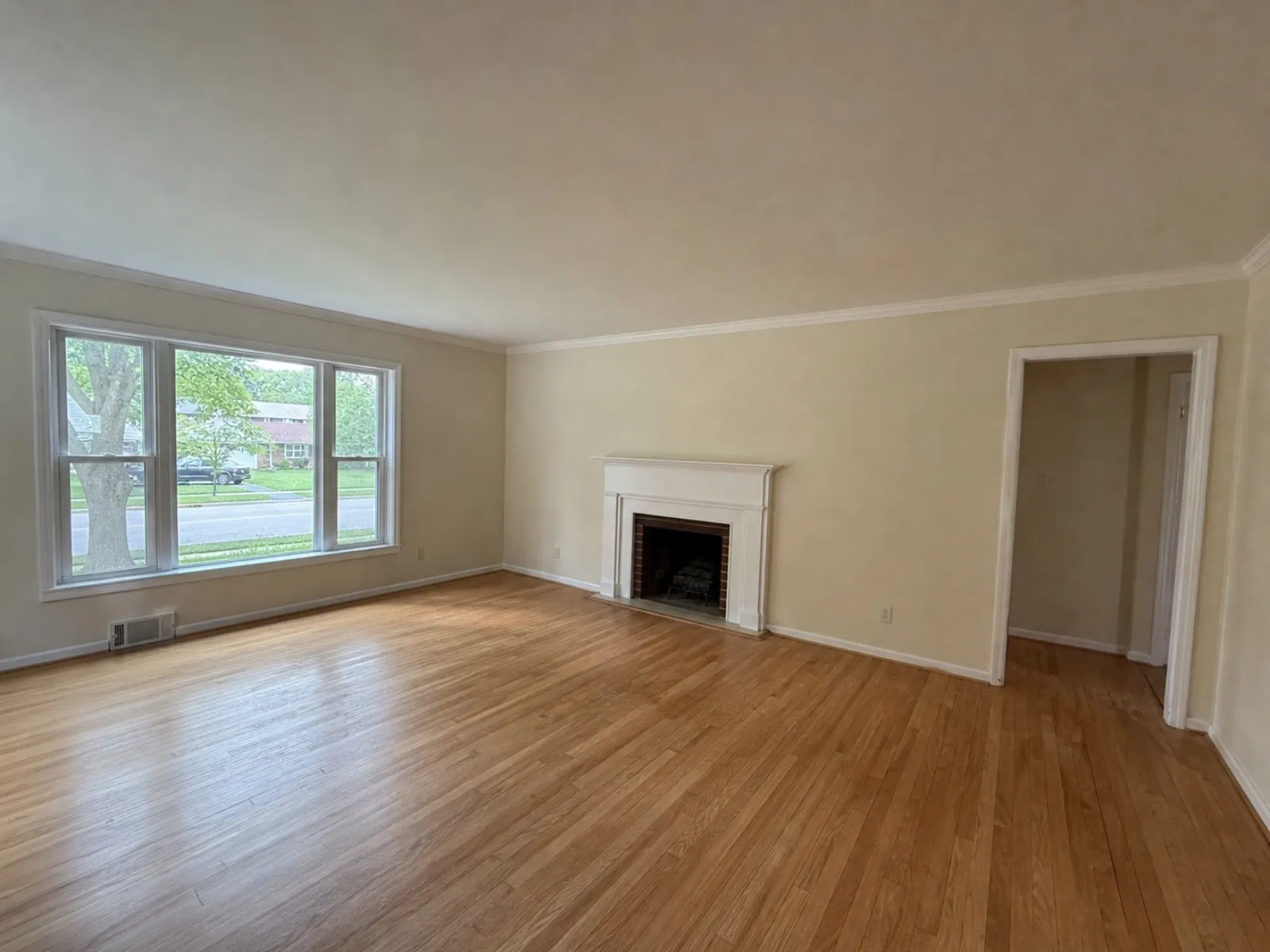
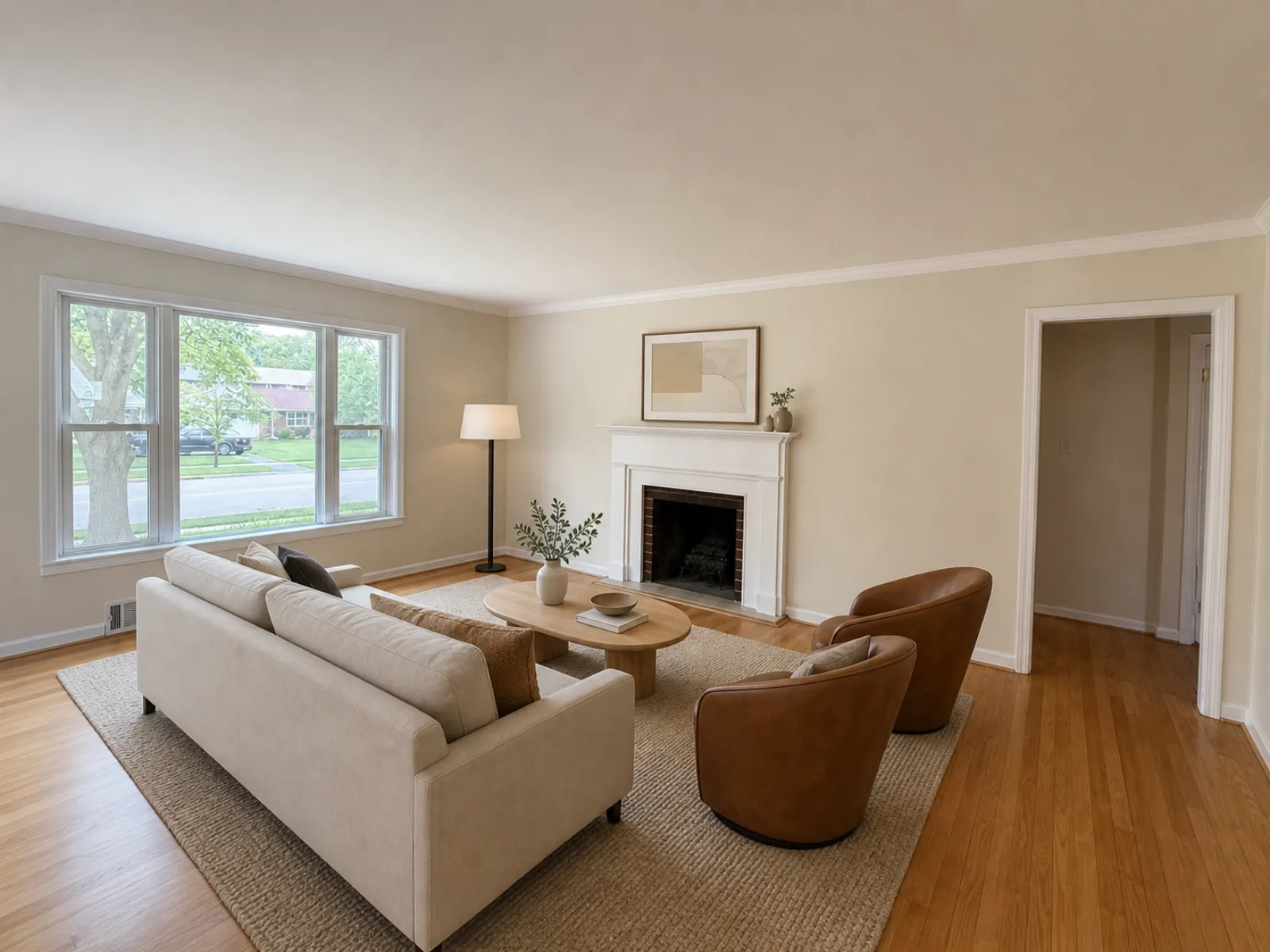
How long each option takes
Time is often the deciding factor, more than money.
- Traditional staging: Opendoor says arranging professional staging takes one to three weeks. That includes the consultation, the design plan, booking the furniture and the installation day. You then still have to photograph it.
- Virtual staging by a person: 24 to 48 hours after you upload, or 4 to 8 hours if you pay VirtualStaging.com for express delivery.
- AI virtual staging: Seconds to about a minute per photo. You can stage the empty bedroom while you're still standing in it.
If the seller signs the contract on Tuesday and wants the listing live by the weekend, physical staging is usually not possible. Opendoor says the same: when you need to list a property within days, it is the wrong tool.
Where traditional staging is better
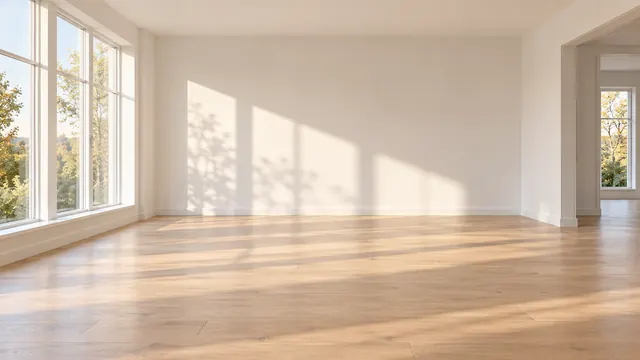
Virtual staging sells the photo. Physical staging sells the photo and the viewing, and in some cases that matters more than the price difference suggests.
- Lots of in-person viewings. A buyer who has seen a furnished living room online then walks into an empty one. With physical staging, the room they view matches the room they saw.
- Open days. Empty rooms echo and look smaller than they really are. Real furniture shows the scale of a room in person in a way a photo cannot.
- Luxury and top-of-the-market homes. Angi lists luxury staging at $4,000 to $10,000 or more. For a large commission, that can be a reasonable expense, and buyers at that price expect to see the house fully furnished.
- Buyers' agents rate it more highly. In NAR's 2025 report, 57% of buyers' agents considered traditional physical staging highly important to their clients. And 34% of sellers' agents said virtual staging was less important to their clients.
- No disclosure needed. The furniture really was there, so the photos do not need a label.
Where virtual staging works best
- Budget. Five rooms cost $120 with a service run by a person, or just a few dollars in an app. At that price, the agent handling the listing can treat it as a standard expense, like the for sale sign and photos.
- Speed. No scheduling, no delivery slot and no installation day.
- No contract. No furniture to hire and nothing to collect. If the property remains unsold for three months, the cost of staging is unchanged.
- Letting properties, estate sales and starter homes. Listings where $4,000 of hired furniture would eat into most of the margin. Our guide to photography for letting listings covers the photos for a property between tenants.
- Occupied homes with the wrong furniture. Remove the furniture shown in the photo, then stage the room. See removing furniture from photos.
- Trying out a style. Staging the same room in a Scandinavian style and then a Traditional one costs a second render, not a second delivery van.
Virtual staging also has costs that do not appear on a price list. Every staged photo needs a label, and several MLSs want the original photo of the empty room alongside it. Our MLS rules guide covers the requirements board by board, disclosure wording has copy you can paste, and estate agents in California should read what AB 723 requires. You also have to check each render. AI staging can move a window or change the shape of a mantelpiece, and it is up to you to spot it.
What I would do for five common listings
| Listing | My choice | Why |
|---|---|---|
| Empty starter home, going live this week | AI virtual staging | There is no time to book a staging specialist, and the budget will not stretch to it |
| Empty home in a sought-after area, with lots of viewings | Physical staging of the main rooms | Buyers will judge the viewing, not just the photos |
| Luxury property | Physical staging, or a human-run virtual staging service for the photos | A designer's eye is good value compared with the commission |
| Letting property between tenants | AI virtual staging, one or two rooms | Short time on the market, slim margin |
| Occupied home with dated furniture | Declutter first, then decide | Often, a clean, empty-looking room is enough |
You do not have to choose one for the whole house. Angi lists partial staging as its own option, and some agents physically stage the living room and main bedroom, then virtually stage the rest. Which rooms to stage at all is covered in does virtual staging help sell a house.
Get the base photo right first
Whichever you choose, the photos are what sell the property. A dark, tilted photo of a staged room still looks dark and tilted. Before you stage anything, fix the lighting and vertical alignment. Our guides to fixing dark real estate photos and fixing vertical lines cover both, while the best virtual staging apps compares the tools if you opt for virtual staging.
If you opt for virtual staging, AI virtual staging shows how it works in our app.
Stage the vacant rooms for this week's listing. Start free: 1 credit.
Questions
Is virtual staging cheaper than traditional staging?
Much cheaper. Angi puts the cost of physically staging an empty home at $4,000 to $6,000. As of September 2026, a human-led virtual staging service charges $24 per photo, so five rooms cost $120. AI apps charge a few dollars or less for the same five rooms.
How long does traditional staging take compared with virtual staging?
Opendoor says it takes one to three weeks to arrange professional staging. As of September 2026, human-led virtual staging services quote 24 to 48 hours, while AI apps return a staged photo in seconds to about a minute.
When is traditional staging worth the money?
When buyers will walk through an empty house and judge it in person: an empty home near the top of its price range, a luxury listing, or a house with frequent viewings and open days. Virtual staging improves the photos, but the room is still empty at the viewing.
Do I have to disclose virtual staging?
In most places, yes. MLS rules and California's AB 723 require a label on virtually staged photos, and several boards also want the original unstaged photo posted alongside it. Photos showing physical staging need no label because the furniture really was there.