 Real Estate Camera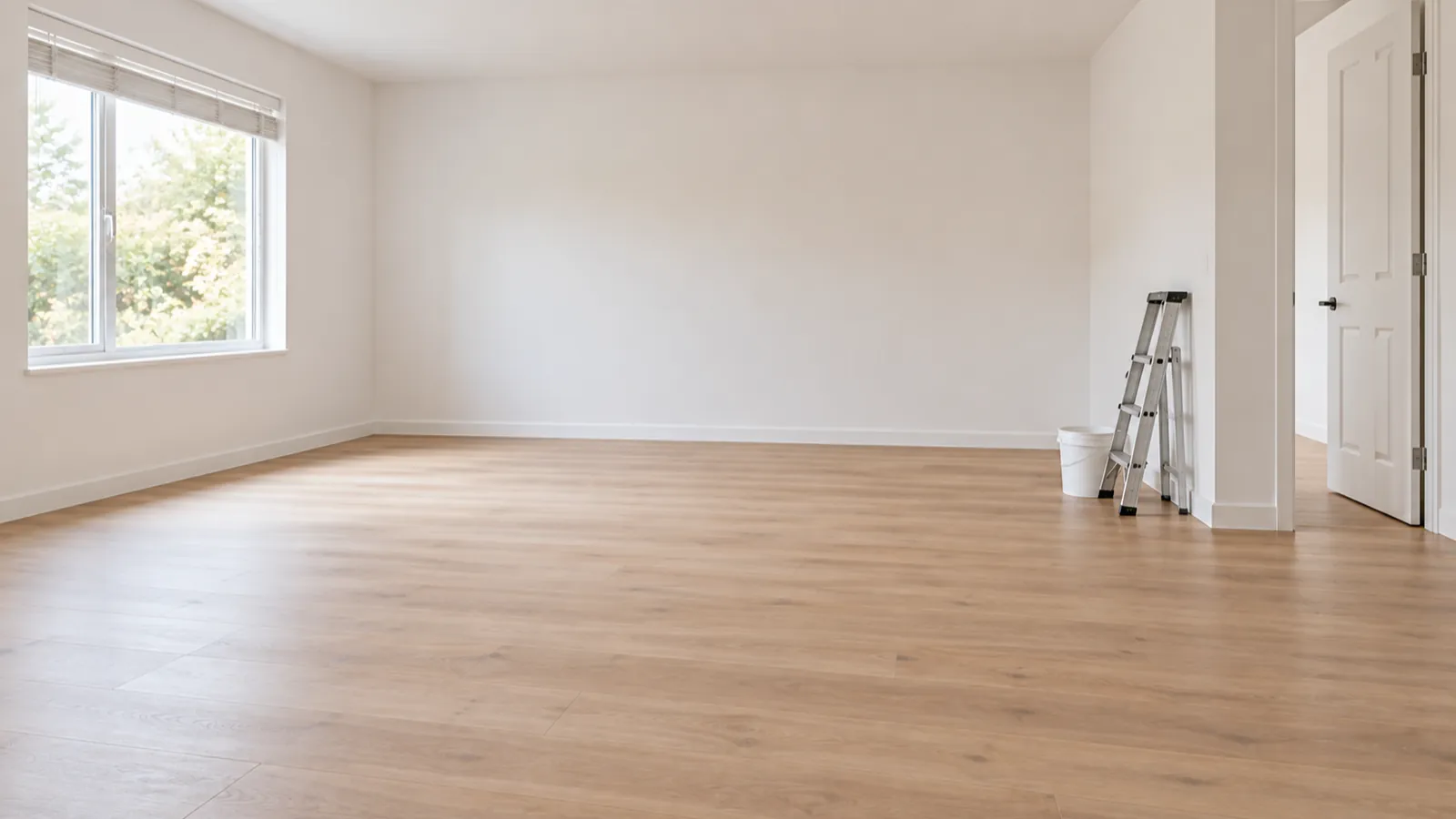
Good rental listing photos come down to one habit: photograph each unit after the end-of-tenancy clean and before the next tenant moves in, using the same short shot list every time. Keep the phone level and horizontal, switch on all the lights, and aim for at least 10 to 15 photos, as Zillow Rental Manager recommends. If you wish, stage an empty property, but label it. Renters are losing patience with listings that don't match the actual property.
This guide is for landlords and property managers who take their own photos, especially where they manage several properties. It covers the end-of-tenancy photo shoot, empty properties, disclosure and a workflow that won't eat up your week.
Take photos at turnover, not while the tenant is there
The best window is short. The previous tenant has left, the cleaners and painters have finished, and the new tenant hasn't arrived. The property looks as it will on the day the new tenant moves in, which is exactly what you want to show.
If you have to list the property before the current tenant leaves, you'll be photographing someone's home. Check your tenancy agreement and your state's notice rules for entry, ask the tenant, and give them a time. Be prepared for clutter you can't move. Declutter can remove a tenant's furniture and belongings from the photo and rebuild the flooring and walls behind them. This is an altered photo, so label it just as you would a staged image.
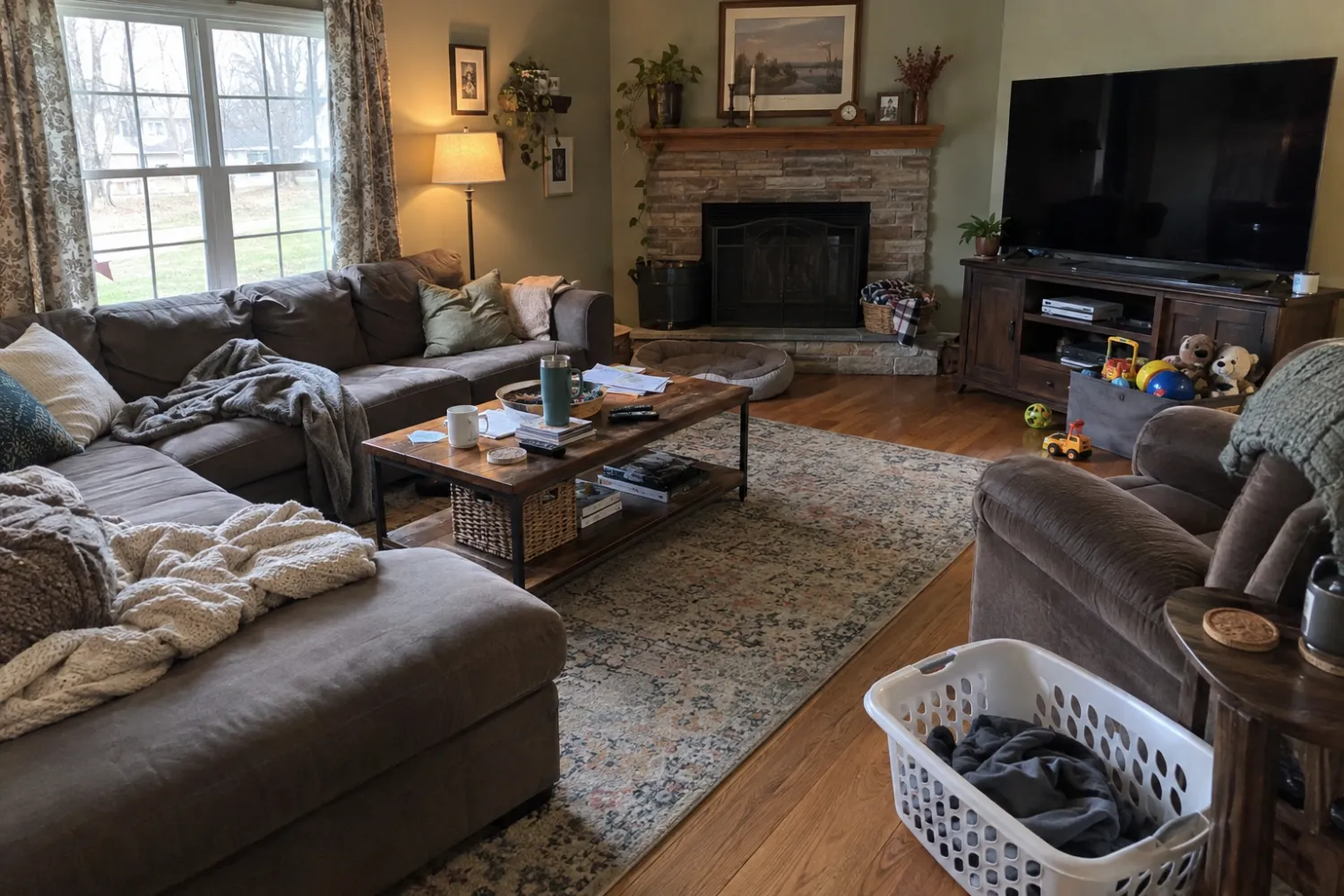
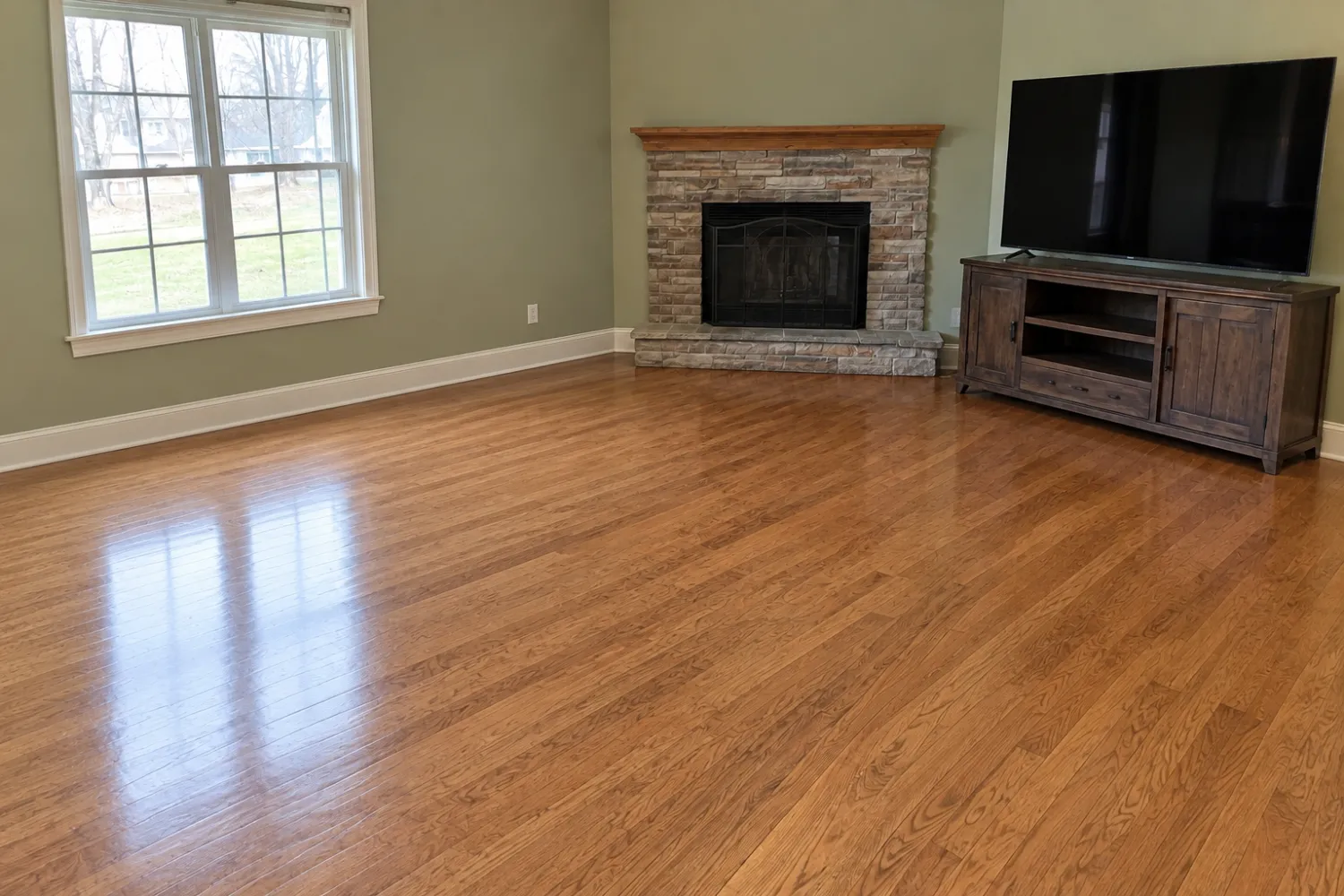
The tenant turnover shot list
Use the same list for every flat, in the same order. It makes the shoot faster and your listings consistent.
- Living room from the corner opposite the windows, then from a second corner.
- Kitchen, with a wide shot showing the worktops, appliances and how it opens into the living area.
- Each bedroom from the corner opposite the window.
- Each bathroom. Toilet lid down, shower curtain open or removed.
- Cupboards and storage space, if they're a selling point.
- In-unit laundry, or the building's shared laundry room.
- Balcony, patio or garden, and the view from it if it's good.
- Building exterior and entrance.
- Amenities: gym, roof terrace, parking, cycle storage, parcel room.
Zillow's tips for rental properties match what works for sales photos: shoot from corners rather than straight at a flat wall, use daylight as well as all the indoor lights, and don't let direct sunlight blow out part of the room. For details of the phone technique, see how to take listing photos on an iPhone. The property photography shot list covers each room in more detail.
Photos of "a similar flat"
If you manage a building with 40 identical one-bedroom flats, it's tempting to shoot just one and use the photos for all of them. Plenty of landlords do. Only do this if the listing makes it clear: "Photos are of a similar flat. Finishes and views may differ."
Omitting that line is what makes renters feel short-changed. The floor plan might match, but the flooring, appliances or view from the 2nd floor won't be the same as in the model flat on the 9th. Exterior and amenity photos are different. They show the same building, so feel free to reuse them.
Empty units and virtual staging
An empty apartment photographs badly. Tenants can’t tell whether a queen bed fits the bedroom or whether the living room can accommodate a sofa and a desk. Virtual staging answers that by adding furniture to the empty photo.
For a rental, I’d stage no more than two rooms: the living room and the main bedroom. Leave the kitchen and bathrooms empty. Choose a style that matches the building. Modern or Scandinavian suits most apartments. Luxury Contemporary in a basic walk-up sets expectations the unit can’t meet.
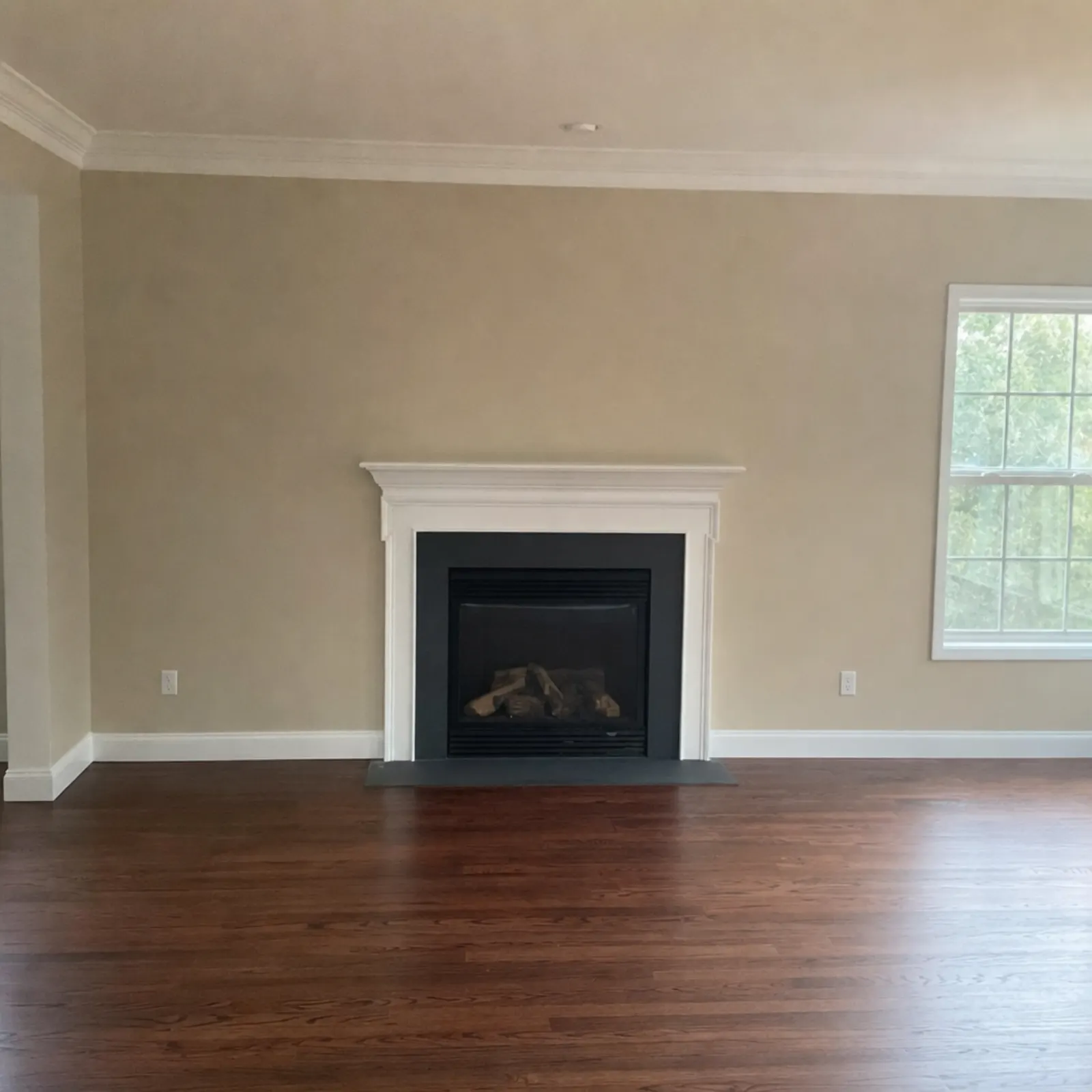
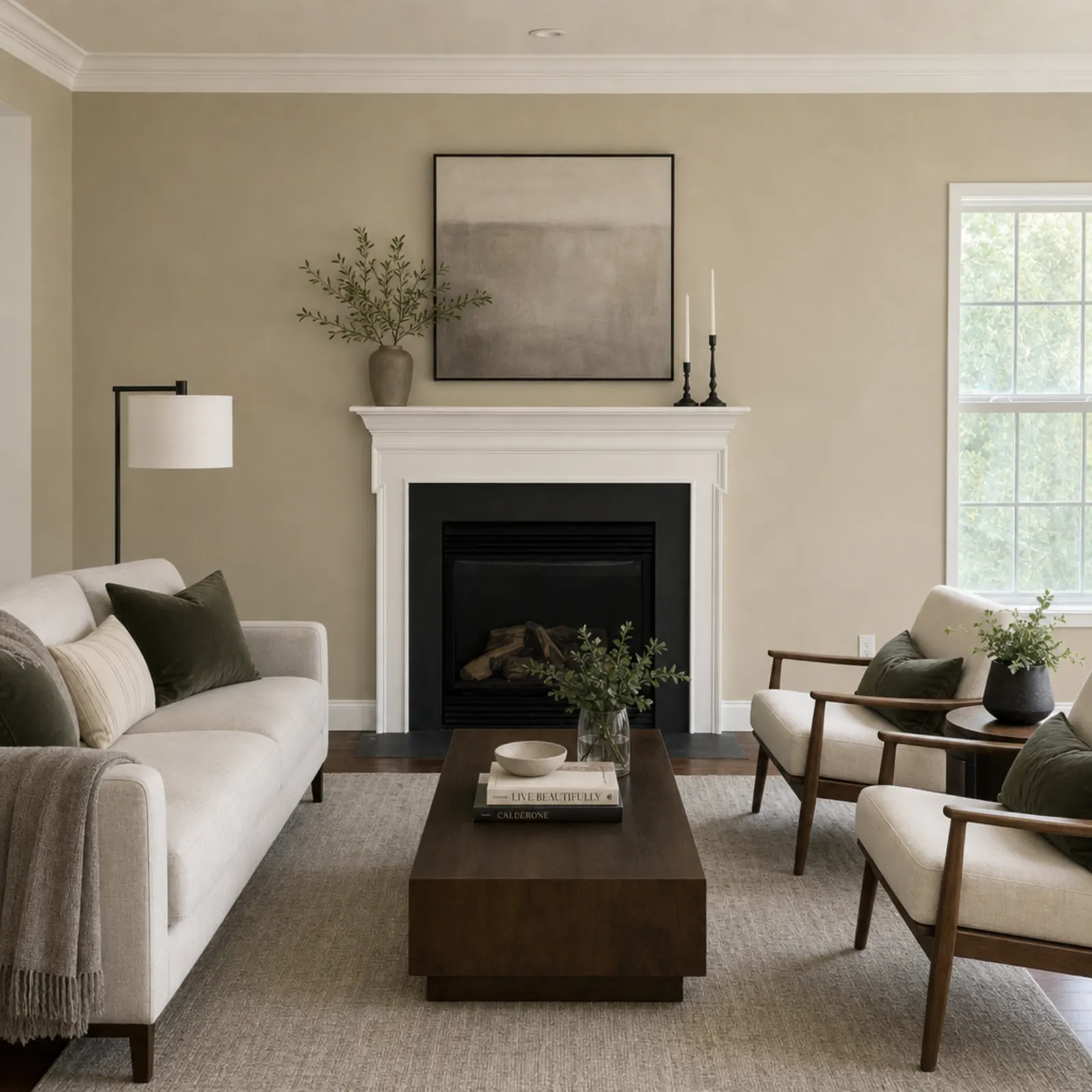
That example shows the whole risk in a single image. A tenant who sees a larger window online and a smaller one in person will wonder what else is inaccurate. Check the windows, doors, floor and ceiling in every staged photo before you publish it.
Disclosure rules for rental properties are changing
Most virtual staging rules so far were written for property sales. California's AB 723, for example, covers brokers and agents advertising property "for the sale of real property." Rental listings are next.
- New York City. In July 2026 the city released its Rental Ripoff Report, which includes a requirement for landlords to disclose when rental listings have been altered using AI or other digital tools. Realtor.com reports that the Department of Consumer and Worker Protection plans a "clear and conspicuous" disclosure rule, and that the city hadn't yet said whether staging or ordinary brightening would trigger it.
- Other states. Zillow wrote in July 2026 that legislation is pending in New York and New Jersey, as well as in California for rental properties.
- Everywhere. Zillow's rental tips already say to use editing "sparingly to avoid misrepresentation." Its warning is that overexposed or filtered photos suggest to renters that you're hiding something.
This isn't legal advice, and the rules will continue to evolve. The practical response doesn't change with them. Label every staged or decluttered photo "virtually staged" or "digitally altered" in the caption, publish the unedited original immediately after it, and add a line to the description: "Some photos are virtually staged. Furniture is not included." That satisfies the strictest requirements so far. If you also sell property, the virtual staging MLS rules guide has the relevant details on sales.
Real Estate Camera flags every staged photo "virtually staged" in the app and asks you to confirm the disclosure when you export. It doesn't print the label onto the image, so add it to the caption on each listing site.
A quick workflow for multiple units
The slow part of rental photography isn't taking the photos. It's editing, naming and uploading 15 photos per unit across a dozen listings. Here's how I'd keep things moving.
- Shoot on your phone in the app, one unit at a time, following the shot list. You can also upload from a desktop computer on the web. A single account works on iPhone, iPad, Android and the web.
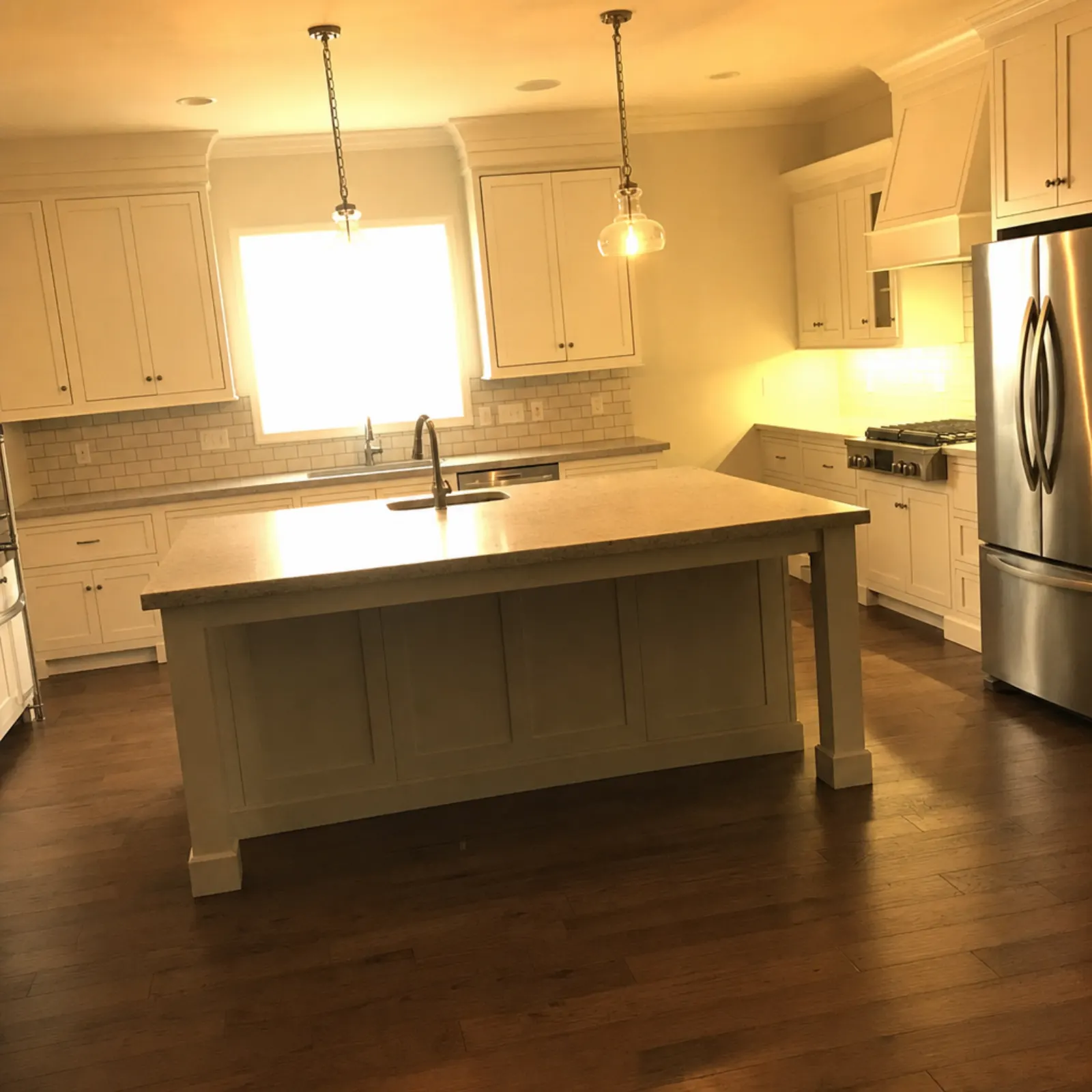
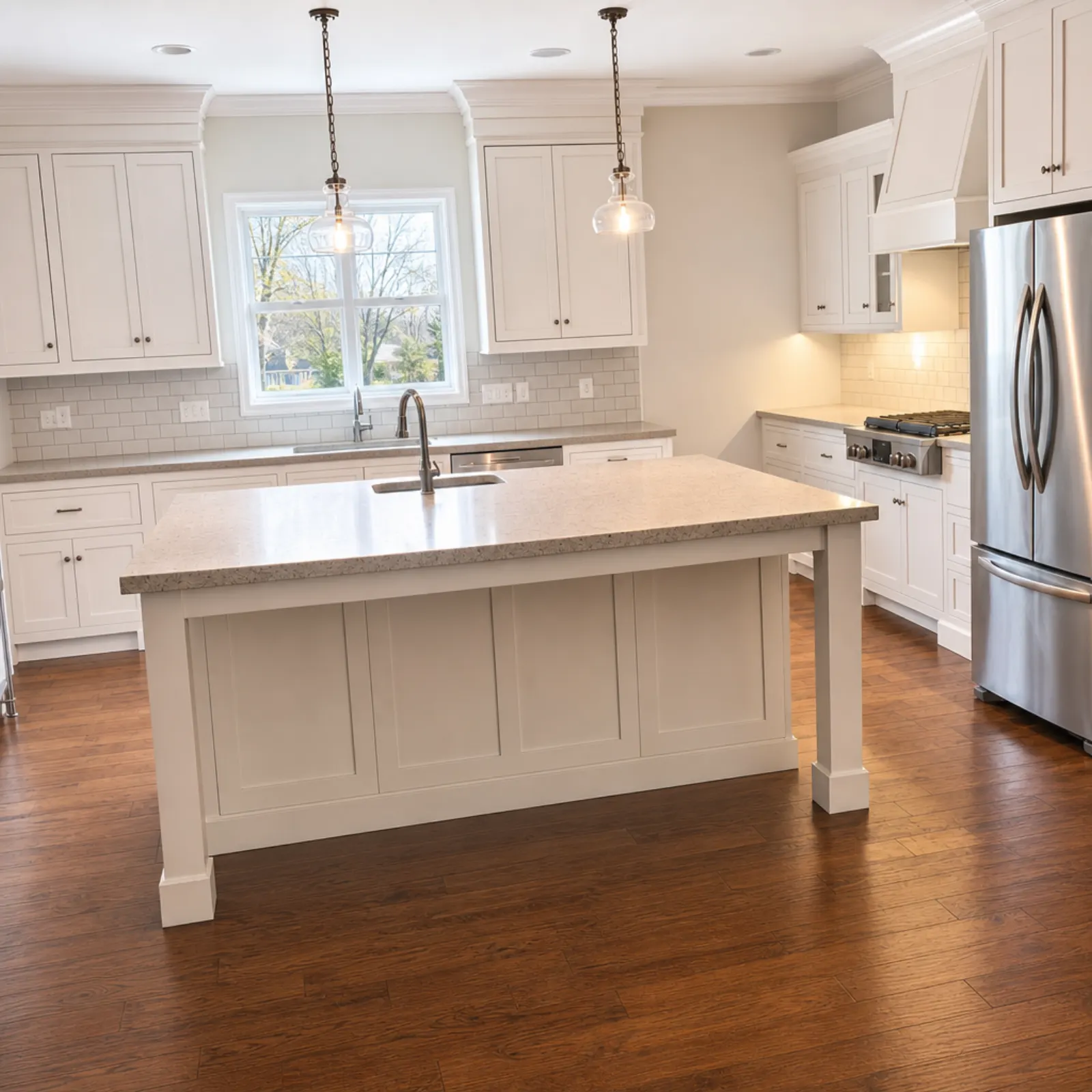
- Enhance everything. It corrects the lighting, white balance and leaning verticals, and brings back the view through the windows. 20 to 60 seconds per photo, 1 credit each. It leaves the sky unchanged, so the building's exterior looks true to life.
- Stage only the empty living room and main bedroom, 2 credits each.
- Compare each staged photo with its original, then export both versions together.
- Keep the photo set. If the unit is let again next year with nothing changed, you may be able to reuse them. Retake the photos if you've painted, replaced the flooring or changed the appliances.
One unit costs 15 credits for 15 enhanced photos, plus 4 credits for staging two rooms, making 19 credits in total. The 150-credit pack costs $49.99, which works out at about $6.33 per unit, and the credits never expire. They'll still be available for the next change of tenancy. Credits are refunded automatically for failed edits.
Small things renters notice
- Blinds half open at different heights. Open them all the way, or all to the same height.
- A missing bulb in a light fitting. Replace it before you take your photos.
- Paint touch-ups that haven't dried and show up as patches in the photo.
- Your reflection in the bathroom mirror or oven door.
- No photo of the building at all. Renters want to see the entrance and the street.
- Vertical photos. Listing sites display a wide frame, so take horizontal photos.
If the building photos look too dark or grey, the exterior photo guide covers timing and angles. For dim interiors, fixing dark property photos can help. If you're wondering whether staging is worth it at all, does virtual staging help sell a house examines the evidence, while virtual staging costs compares prices.
To try virtual staging before you pay, see free AI virtual staging.
Edit and stage your next vacant unit between tenancies. Start free: 1 credit.
Questions
How many photos should a rental listing have?
Zillow Rental Manager recommends at least 10 to 15 good photos. For a typical apartment, that means photographing the living room from two angles, the kitchen, each bedroom, each bathroom, storage space, the laundry area, the building and any amenities.
When should I photograph a rental unit?
After the end-of-tenancy clean and any painting or repairs, but before the next tenant moves in. The property is empty, clean and exactly as the new tenant will find it.
Can I use photos of a different unit with the same floor plan?
Only if you make this clear in the listing, in plain terms such as "photos are of a similar property on the 3rd floor." Finishes and views vary between properties, and renters who discover this at the viewing lose trust in the rest of the advert.
Do I have to disclose virtual staging on a rental listing?
It depends on your location, and the rules are changing. New York City announced in July 2026 that it plans to require clear disclosure of digitally altered rental photos. I'd label every staged photo and post the photo of the empty property alongside it, wherever the property is.