 Real Estate Camera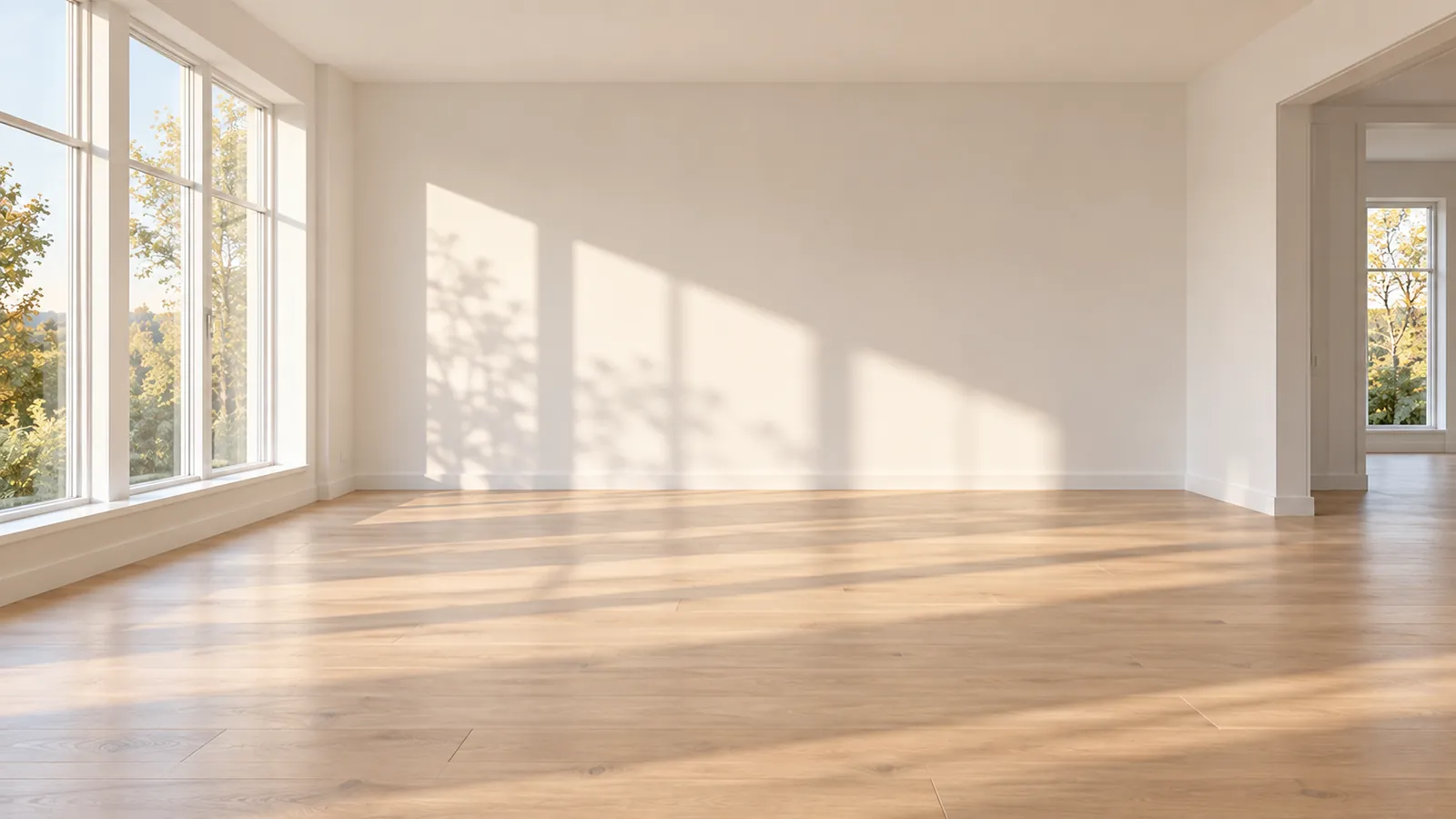
Yes, virtual staging usually helps sell a vacant house. Its main benefit is getting the right buyers to book a viewing. In photos, an empty room is just four walls and a floor. Buyers cannot tell whether a queen-size bed will fit or where the sofa would go. They scroll past. Staging answers that question in the photo. It will not increase the price on its own, and it backfires if the staged image and the actual room do not match.
Below: what the best available survey actually found, which rooms I would stage in a vacant listing, which I would leave empty, and how to present staged and actual photos so no one feels misled at the door.
Do staged homes sell faster? What the figures show
The numbers most people quote come from the National Association of REALTORS® 2025 Profile of Home Staging, a survey of estate agents conducted in February 2025. The key findings are:
- 83% of agents representing buyers said staging made it easier for a buyer to imagine the property as their future home.
- Only 26% said staging changed how most buyers viewed a home. 60% said it affected some buyers, though not always.
- 17% of agents representing buyers said staging increased the dollar amount offered by 1% to 5% compared with similar unstaged homes. Among agents representing sellers, the figure was 19%.
- 30% of agents representing sellers saw a slight reduction in the time staged homes spent on the market.
Read the findings honestly. Staging mainly helps buyers imagine living in the property. A minority of agents reported a price increase, but it is not guaranteed.
There is a second caveat. The report mainly concerns physical staging. When NAR asked how important various features of a listing were to buyers, 38% of agents representing buyers rated virtual staging as less important to their clients, according to the full report. Photos came top of the same chart, with 73% rating them more important.
My take is that buyers care far more about good photos than about staging itself. Virtual staging is worth doing because it improves the photos of an empty house. It is not a substitute for seeing the property in person, and buyers know that. If you are considering the rules as well as the results, see whether virtual staging is legal.
Which rooms to stage in an empty property
You don't need to stage every room. In an NAR survey, buyers' agents named the living room (37%) as the most important room to stage, followed by the main bedroom (34%) and the kitchen (23%). Sellers' agents who stage most often chose the living room (91%), main bedroom (83%) and dining room (69%).
Here's how I'd decide for a typical empty house:
- Living room. Always. It's usually the first interior photo buyers see, and a sofa and rug show the scale better than any dimensions in the property particulars.
- Main bedroom. Always. It's the question every buyer has: "Does a king-size bed fit, with space to walk around it?" Show them.
- Dining area in an open-plan home. Yes. Empty open-plan space can look like one large, undefined box. A table and chairs show buyers where one room ends and the next begins.
- Any room whose purpose is unclear. An extra room above the garage, a small room off the kitchen, a room in the basement. Stage it as a home office or children's room so buyers can see a use for it, rather than being left with a question mark.
- A patio or deck, if it's large enough to make a difference. A table and a couple of chairs outside show that the space can be used.
Which rooms to leave empty
- Kitchens. The cabinets, worktops and appliances serve as the furniture. Adding a few stools rarely makes a difference, and this is where buyers look most closely to see what's real.
- Bathrooms. A neatly styled towel and a plant won't make a bathroom more appealing. A clean, bright, straight-on photo will.
- Hallways, utility rooms, storage cupboards and garages. There's nothing to be gained.
- Small second bedrooms, once you've staged one. If there are three similar bedrooms, stage one to show that a bed fits, and leave the rest as they are, with nothing added.
- Any room with visible damage. Put it right or disclose it first. Staging a room with a stained ceiling looks as though you're trying to distract buyers from it.
For most three- or four-bedroom houses, that works out at four or five staged photos out of around 25. That's enough to make the listing stand out without making the gallery feel like a catalogue.
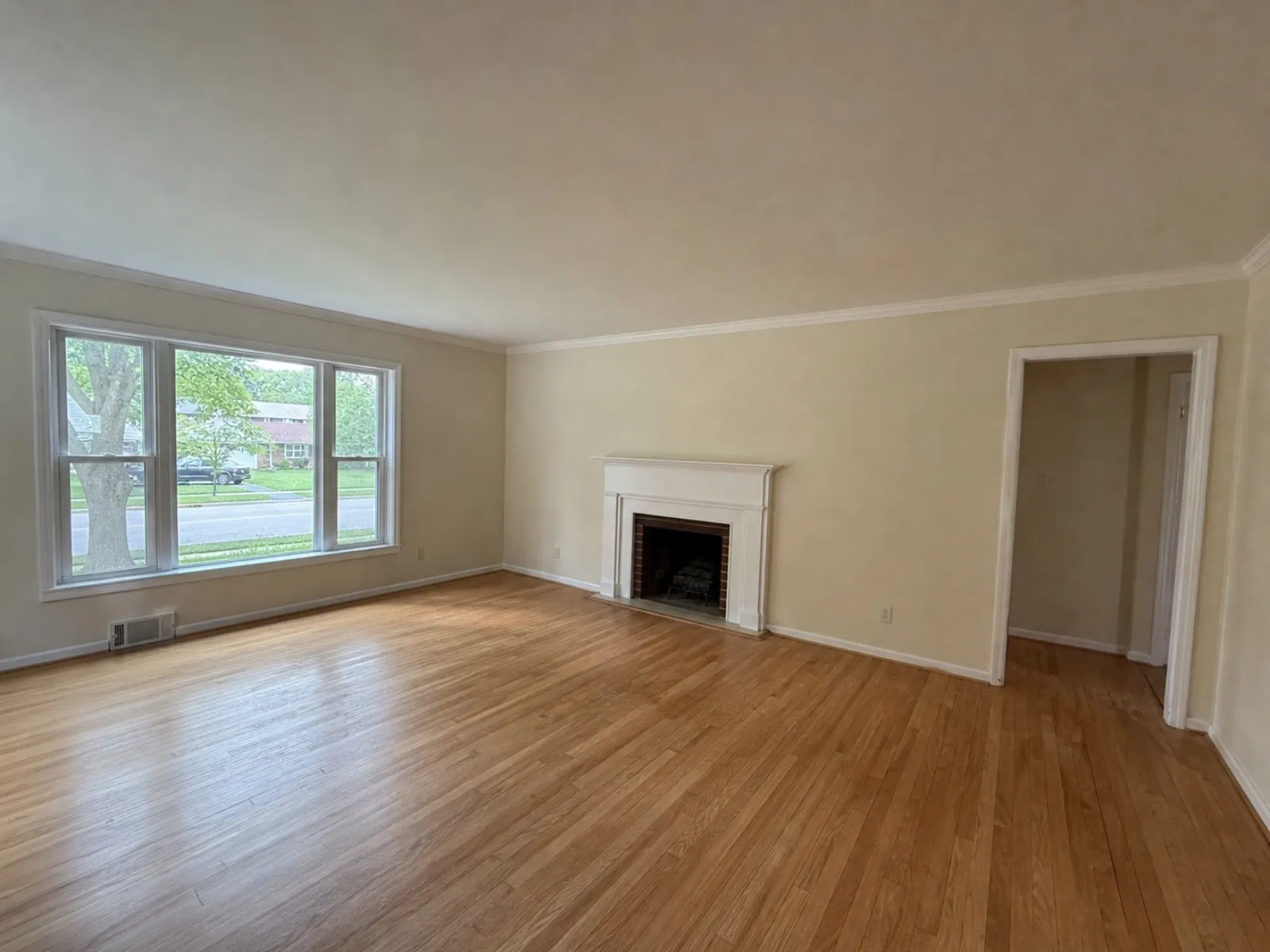
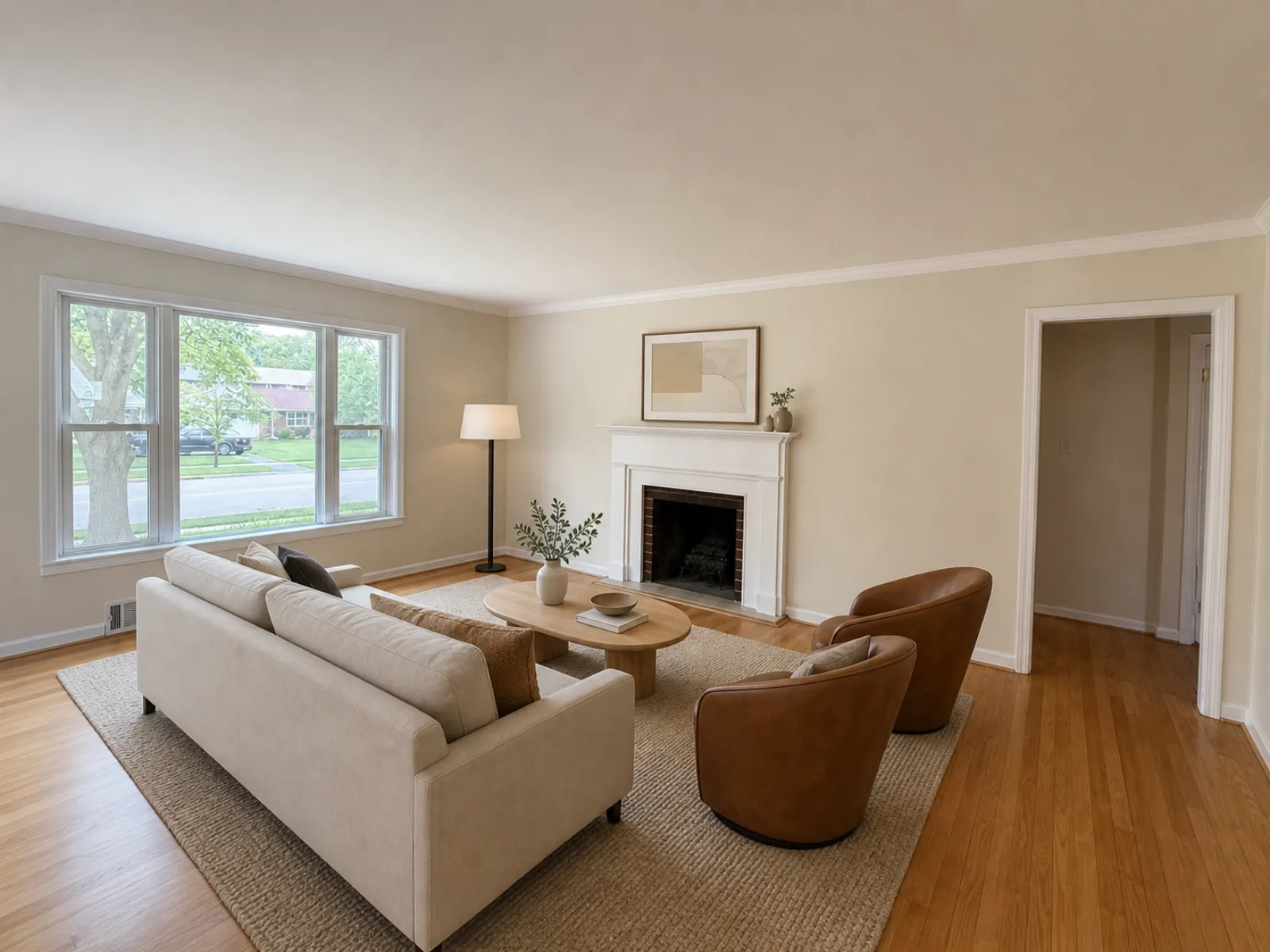
What happens during the viewing
This is where virtual staging either succeeds or falls short. The buyer has seen a furnished living room online and arrives to find it empty. Two things determine their reaction.
First, did the staging misrepresent the room? If the sofa in the photo is a compact, apartment-sized model that makes a narrow room look more spacious, the buyer will notice. If the staging changed a window, the flooring or a fireplace, they'll notice even quicker. Check every staged photo against the original before you publish it. Real Estate Camera stages furniture and décor and is designed not to alter the architecture, but software can still get details wrong. Look closely.
Second, did they know it was staged before they arrived? A buyer who spotted "virtually staged" in the caption, with the empty original alongside it, will arrive expecting an empty room. A buyer who didn't may feel misled, even though nothing about the property has changed. That feeling follows them into the kitchen.
One small thing can help: print a staged photo of each room and leave it on the worktop or tape it beside the doorway. Buyers can stand where the photo was taken and see where the furniture went. It turns the empty room back into the one they liked online.
How to present staged and real photos together
- Put the original right beside the staged version. California's AB 723 and MLSs such as CRMLS require it, and some boards specify the order. Our virtual staging MLS rules guide explains who requires what.
- Label it. "Virtually staged" in the photo caption, plus one line in the public remarks: "Some photos are virtually staged. Furniture is not included."
- Lead with a real photo. I'd start with a real shot of the front of the property, not a staged living room. It sets the tone and shows buyers that the gallery is being straight with them.
- Use one style across the house. A Scandinavian living room next to a Traditional bedroom looks like two different houses. Pick one and stick with it.
- Enhance the empty originals too. A dim, poorly aligned photo of an empty room next to a bright staged one makes the real room look worse than it is. Correct the lighting and vertical alignment in both.
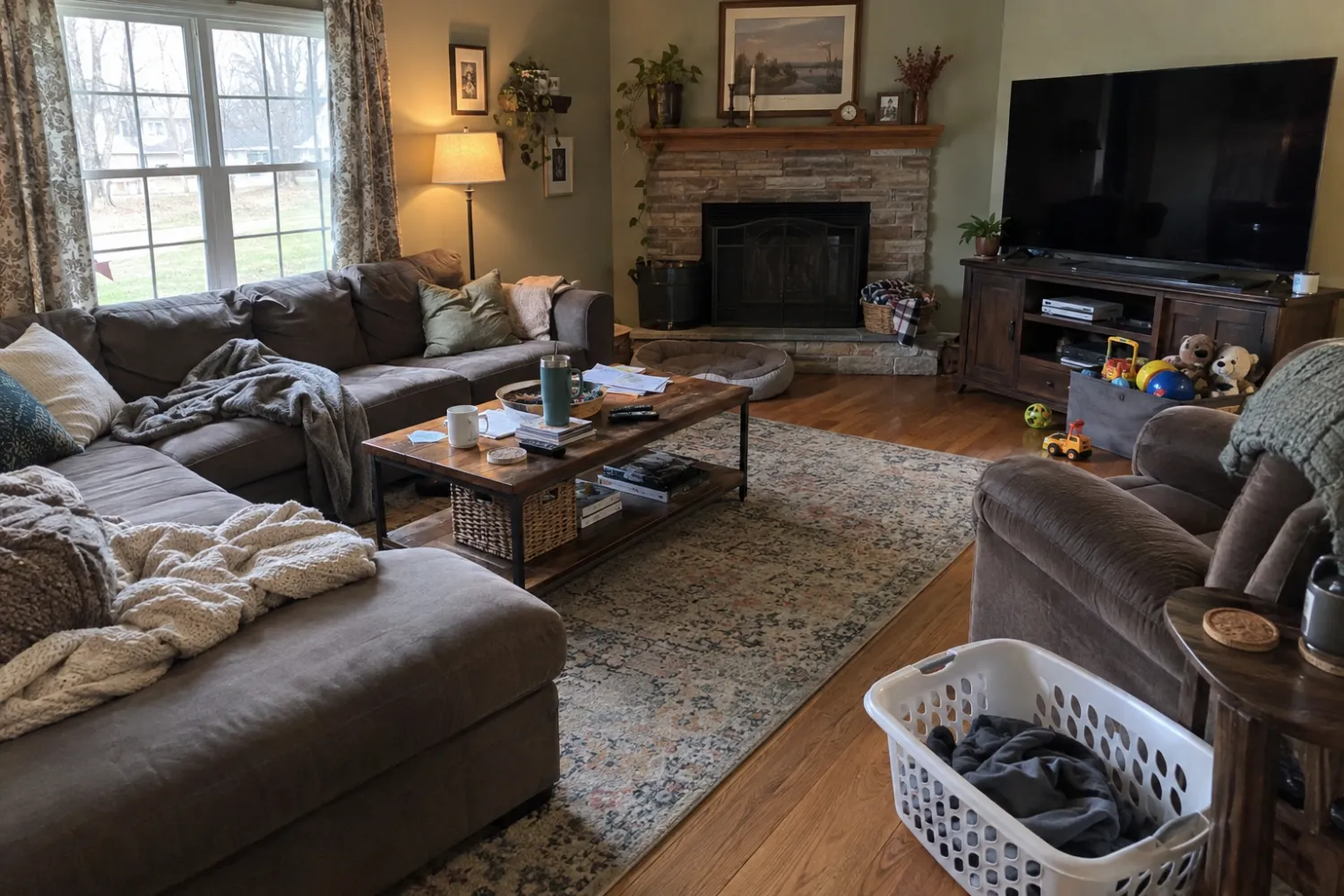
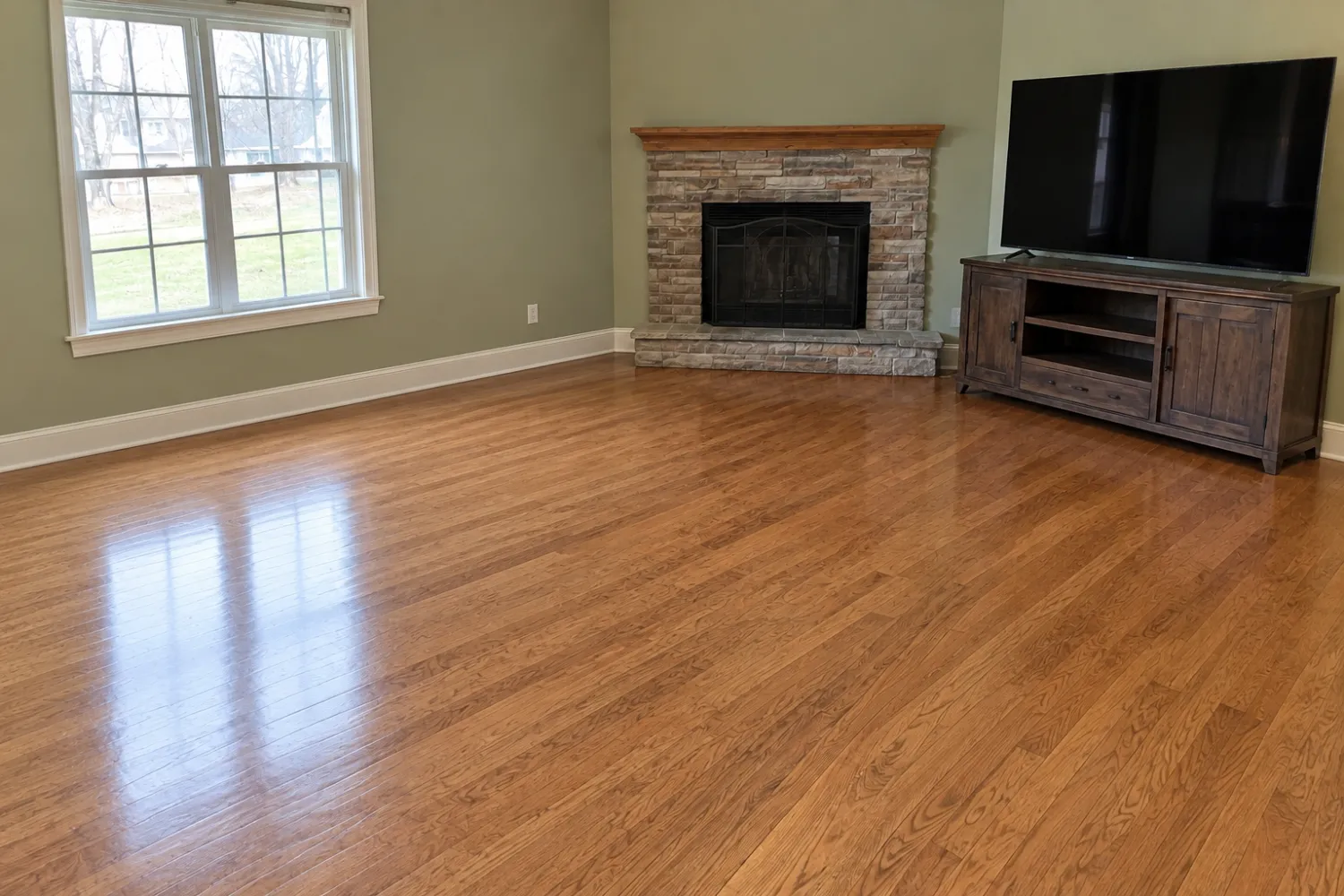
If the sellers still live there, the same logic applies in reverse. Use Declutter to empty a furnished room, then stage it with neutral furniture. That means two edits, and both need labelling. See removing furniture from photos for how this works with MLS rules.
Is it worth the money?
Compare it with the alternative. NAR's survey put the median spend on a professional staging service at $1,500, compared with $500 when the agent staged the home themselves. Virtual staging costs a small fraction of that.
In Real Estate Camera, a staged room is 2 credits. At our credit pack prices, that's between roughly $0.67 and $1.00 per room: 20 credits for $9.99, 60 for $24.99, 150 for $49.99. Staging five rooms in a vacant house costs 10 credits. Each result takes 20 to 60 seconds, and a failed edit automatically refunds the credits used. How much virtual staging costs compares that with per-photo services and other apps.
The low price is also the risk. It's tempting to stage everything, including rooms that don't need it. Don't. Five well-staged rooms and 20 honest, well-lit photos are better than 25 staged rooms.
When I'd skip virtual staging
- The house is already well furnished. Photograph it as it is, perhaps using Declutter on the busiest room.
- The market is moving so quickly that buyers are booking viewings based on the address alone.
- The room needs repairs that you haven't disclosed. Using staging to disguise problems is how agents end up facing complaints about their professional conduct.
- Most potential buyers are investors or builders who care about the plot and the figures, not the sofa.
For everything else relating to the photos, see the property photography shot list and taking listing photos on an iPhone. To compare tools, see the best virtual staging apps. If you're a landlord with a vacant unit, rental listing photography covers staging rental properties, and FSBO listing photography is for owners selling without an estate agent.
To stage your own listings from your phone, see virtual staging for estate agents.
Stage the empty room that buyers would otherwise scroll past. Start free: 1 credit.
Questions
Does virtual staging help sell a house?
For a vacant house, usually yes: an empty room gives buyers no clues about its size or how they could use it. In NAR's 2025 survey, 83% of agents representing buyers said staging made it easier for buyers to imagine the home as their own. That survey mainly covers physical staging, and it found no guarantee of a higher price.
Which rooms should I virtually stage?
The living room and main bedroom should come first. These were the rooms that agents representing buyers in NAR's 2025 survey rated as most important to stage. If you have an open-plan layout, add the dining area and any room whose purpose is not clear from a photo of it empty. Leave kitchens, bathrooms, hallways and utility rooms as they are.
Is virtual staging worth it compared with physical staging?
For photos, often yes. NAR's survey put the median spend on a staging service at $1,500. Virtual staging in Real Estate Camera costs about a dollar per room or less, but the buyer walks into an empty room at the viewing, so it helps the online listing more than the viewing.
Do I need to show the empty photo too?
In California and on several MLSs, yes, immediately before or after the staged photo. Everywhere else, I would still do it. It stops the viewing from seeming like a bait-and-switch.
Does virtual staging help a house sell faster?
The evidence is limited. In NAR's 2025 Profile of Home Staging, 30% of agents representing sellers reported a slight reduction in the time staged homes spent on the market, and that report mainly concerns physical staging. I found no well-sourced study isolating virtual staging's effect on days on the market. Its reliable benefit is making it easier to understand an empty room from the photos.