 Real Estate Camera
Virtual staging costs about $24 per photo from a human service and 13 cents to about $15 from an AI app, as of September 2026. Most one-click apps charge under $3. For the five photos typically used to market a vacant three-bedroom home, that comes to roughly $120 with a human editor, or anywhere from under $5 to about $75 with AI. Physical staging of the same empty house costs $4,000 to $6,000, according to Angi's 2026 cost guide.
These September 2026 prices come from each company's own pricing page. The comparisons include what each plan commits you to and the maths for one listing.
The three types of staging and what each costs
Physical staging
Angi puts the average cost of staging a home at $1,846, with most jobs costing between $830 and $2,917. Stagers charge $300 to $700 per room per month. Staging a fully vacant home costs an average of $4,000 to $6,000 because every piece of furniture has to be rented and transported. Add consultation fees, plus rental charges for as long as the home remains vacant.
That $4,000 to $6,000 buys something virtual staging can't give you: furniture in the room when buyers walk through. For a vacant luxury listing with lots of showings, that still matters.
Human virtual staging services
A designer places furniture by hand in the photos you upload, using your chosen style. Two of the major providers list the same headline price:
- BoxBrownie: US$24.00 per image for virtual staging, with a 48-hour turnaround shown on its staging page. Standard item removal is $8.00.
- VirtualStaging.com: $24 per image, $19.20 with a bulk discount, 24-hour delivery or rush delivery in 4 to 8 hours, unlimited revisions.
At $24 a photo, you're paying for judgement. A designer sizes the sofa to suit the room and follows instructions such as keeping the furniture neutral for buyers who are downsizing. You also have to wait a day or two.
AI staging apps
The software adds furniture to your uploaded photo in seconds or minutes, using the room type and style you select. Prices vary more widely here than anywhere else, mainly because the plans work differently. All prices are as listed on each company's pricing page in September 2026:
| App | Example plans | Per staged photo | How you pay |
|---|---|---|---|
| Collov AI | $19/mo for 60 credits, $49/mo for 150 | about $0.32 to $0.33 | Billed annually ($228, $588). Usage resets each month. |
| Virtual Staging AI | $16/mo for 6 photos, $19/mo for 20, $39/mo for 60 | $2.67, $0.95, $0.65 | The displayed prices are for annual billing ($192, $228, $468). |
| REimagineHome | $19/mo for 30 credits, $36/mo for 200, $119/mo for 900 | $0.63, $0.19, $0.13 per credit | Monthly prices, as shown. 5 free designs to get you started. |
| Apply Design | $7 to $10 per coin, 1.5 coins per auto-staged photo | $10.50 to $15 | Pay as you go, with the first image free. |
| Real Estate Camera | 20 credits $9.99, 60 credits $24.99, 150 credits $49.99 | $0.67 to $1.00 (2 credits per room) | One-off packs; credits never expire. |
Apply Design uses AI for the first pass, then lets you move the furniture yourself with a drag-and-drop editor. That's why it costs more per photo than the one-click apps.
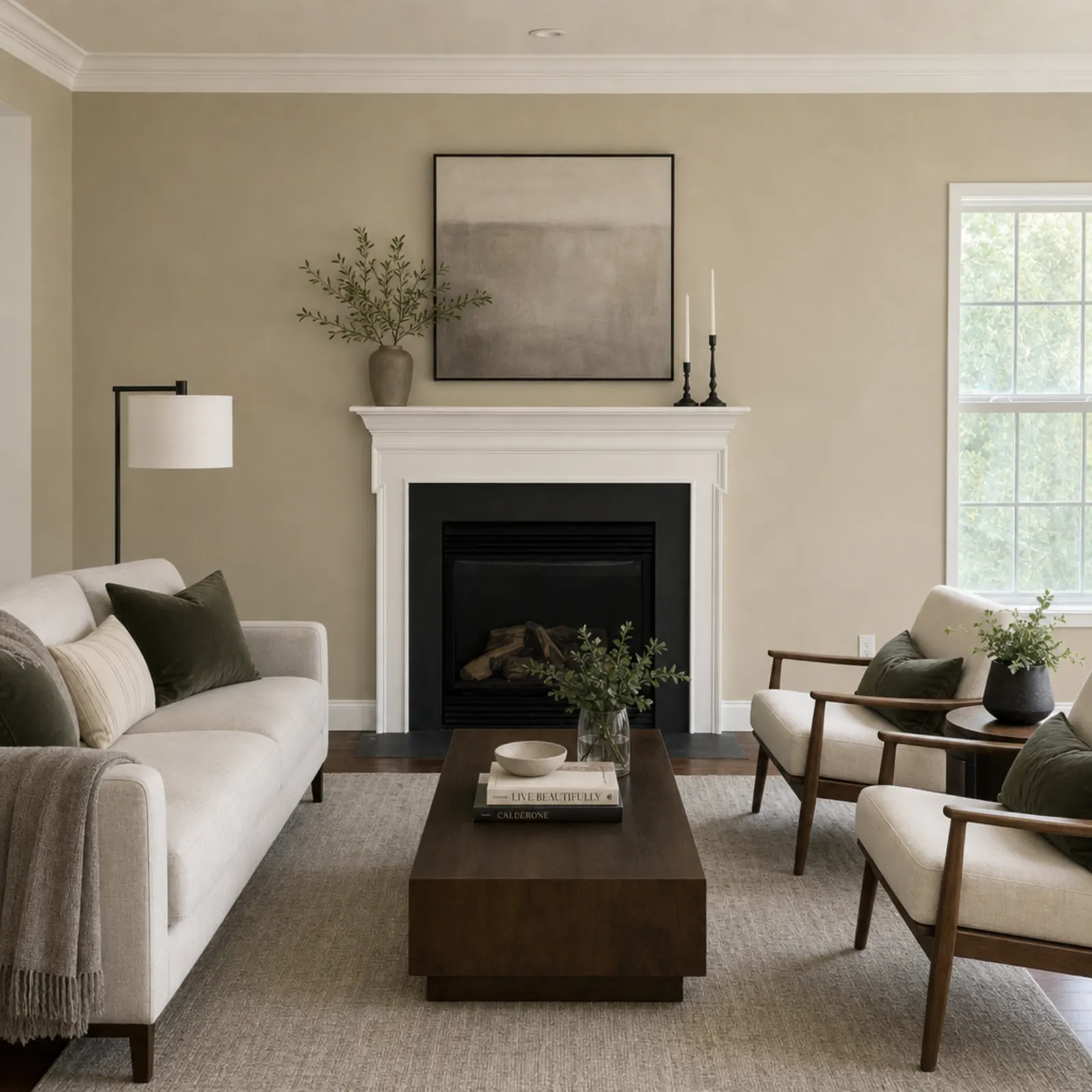
What one listing actually costs
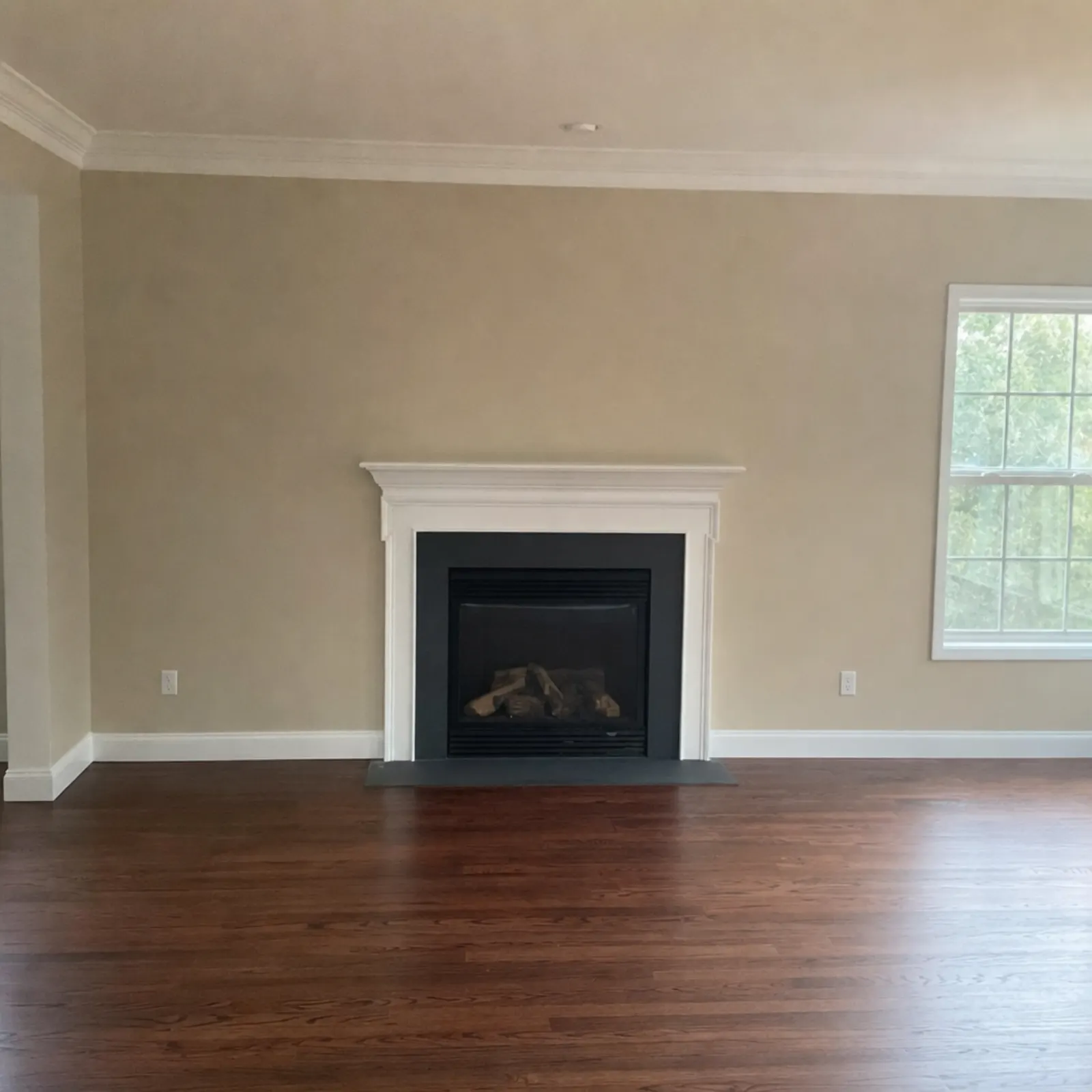
Consider a vacant three-bedroom property. I’d stage five photos: the living room, the kitchen and dining area, the primary bedroom, one secondary bedroom, and whichever room is hardest to picture empty. Usually that’s the bonus room or office. I’d leave bathrooms and hallways alone.
| Option | Cost for 5 staged photos | What you actually pay |
|---|---|---|
| Physical staging, vacant home (Angi) | $4,000 to $6,000 | A contract, rental fees, delivery and collection |
| BoxBrownie | $120 | $120, wait about 48 hours |
| VirtualStaging.com | $120, or $96 at the bulk rate | Same, 24 hours or rush |
| Apply Design, auto staging | about $75 | 7.5 coins at the $10 rate for small orders, less if your first free image is one of them |
| Virtual Staging AI, Standard | under $5 of your monthly allowance | $228 for the year up front |
| Collov AI, Standard | about $1.60 of your allowance | $228 for the year up front |
| Real Estate Camera | 10 credits, about $5 | $9.99 for the 20-credit pack, 10 credits left over |
The middle column shows the price of the five photos. The right column shows what comes out of your bank account. Those are different numbers for every subscription plan, and that difference is the number to compare.
Subscriptions vs packs: the math that matters
A subscription is cheapest per photo only if you use it. Collov’s Standard plan costs $228 a year, or $19 a month, whether you stage 60 photos or none. Its pricing page says photo usage resets each month. List two vacant homes a year and you’ve paid $228 to stage ten photos: $22.80 each. Almost what a human designer charges.
Count your listings first:
- For a few vacant listings a year, pay for each use. Credit packs or pay-as-you-go coins beat any annual plan.
- At one or two vacant listings a month, a monthly AI plan starts to earn its keep, if you’ll use the allowance each month.
- For a team staging dozens of photos a week, the high-volume AI plans bring the cost down to cents per photo. REimagineHome’s $36 plan includes 200 credits at $0.19 a credit.
And check what a "credit" gets you. On REimagineHome, one generation is one credit. On Real Estate Camera, staging costs 2 credits, Enhance costs 1 and Declutter costs 2. Apply Design charges 1.5 coins for auto staging. Compare the cost of a fully staged room.
Costs nobody mentions on the pricing page
- Budget for poor renders. AI sometimes makes a rug float or places a bed across a doorway. If redoing an image costs credits, a room that takes three attempts costs three times the listed price. Collov and Virtual Staging AI offer unlimited regenerations. Real Estate Camera automatically refunds credits for failed edits, but a render you simply don't like still uses credits.
- A furnished room needs the furniture removed first. That's $8 at BoxBrownie and 2 credits on Real Estate Camera, on top of the cost of staging.
- Watch out for poor source photos. Staging a dark, tilted photo gives you a dark, tilted staged photo. Correct the lighting and verticals first. Our guides to fixing dark photos and fixing leaning walls cover those repairs. To get the shot right from the start, read our guide to shooting on an iPhone.
- Allow time for compliance. Every board in our guide to virtual staging MLS rules requires a label, and several require the unstaged original alongside it. This takes a few minutes per listing and is mandatory. The guide includes a checklist.
When physical staging is still worth the cost
Virtual staging sells the photo. Physical staging sells the photo and the open-home experience. For a vacant house priced at the top of the neighbourhood, with plenty of in-person inspections expected, a $4,000 staging bill can pay for itself. Some buyers will judge the scale and flow from an empty room, and they'll judge it unfavourably.
For everything else, virtual staging does the job for the price of lunch: the starter apartment, the estate sale, the rental between tenants, the listing that has to go live on Friday. Some agents take a hybrid approach, physically staging the living room and main bedroom and using virtual staging for the rest. For a side-by-side comparison of cost, set-up time and the open-home experience, see virtual staging vs traditional staging.
Who pays for it
At AI prices, the listing agent can easily cover the cost, just like the photos and the sign. At $24 a photo for a larger home, some agents include staging in the sale agreement as a cost to the vendor. Settle it before you order.
To compare more than just price, our guide to the best virtual staging apps for agents covers each app’s features and drawbacks, as well as who each app is suited to. To decide which rooms to photograph, use the property photo shot list.
To find out how staging works in our app, see AI virtual staging.
Stage a room for 2 credits and compare the result. Start free: 1 credit.
Questions
How much does virtual staging cost per photo?
As of September 2026, BoxBrownie and VirtualStaging.com list $24 per image. AI apps range from about $0.13 to $15 per photo depending on the app and plan, with most costing less than $3. Real Estate Camera works out at $0.67 to $1.00 per staged room.
Is virtual staging cheaper than real staging?
By a wide margin. Angi's 2026 cost guide puts physical house staging at $830 to $2,917 on average and $4,000 to $6,000 for a vacant home. Staging five photos through a human service costs about $120, while most AI apps charge under $10.
Who pays for virtual staging, the agent or the seller?
Either. At AI prices, it's small enough to treat as a marketing cost, like a sign or a flyer. At $24 per photo across a large listing, some agents include it in the listing agreement.
Why are AI staging subscriptions cheaper per photo?
You pay for a set volume upfront. The low per-photo rates on Collov, Virtual Staging AI and REimagineHome come from annual or monthly plans. With several of these services, your allowance for unused photos resets each month.