 Real Estate Camera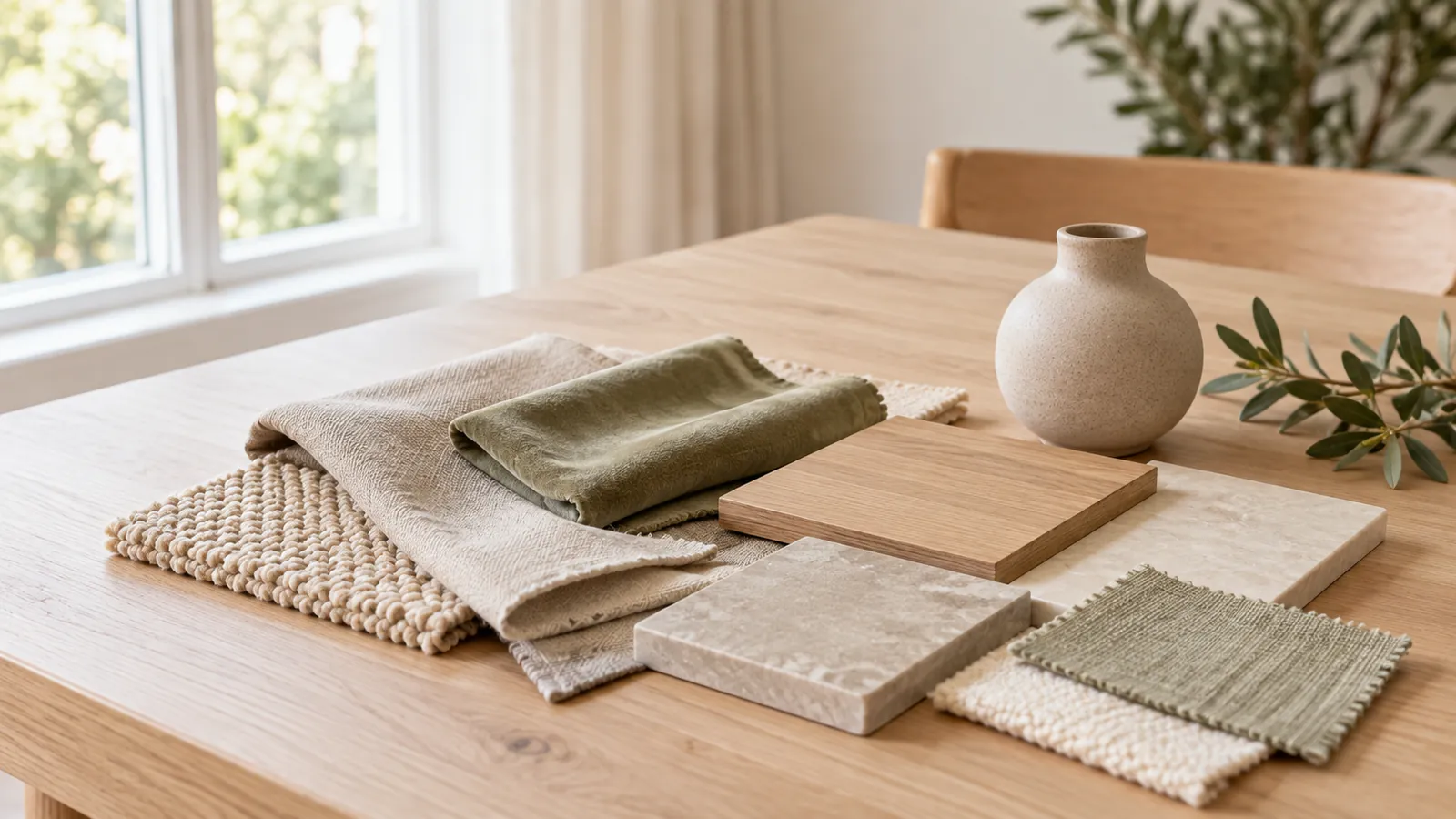
Choose the virtual staging style that suits the home first and the likely buyer second. For most listings, that means Modern or Scandinavian, since both are neutral and suit almost any recently built home. Match the era loosely when the architecture has a strong character: Traditional for formal colonial homes, Mid-Century for a 1960s ranch-style home and Modern Farmhouse for a board-and-batten new-build home. Then use that same style in every staged room in the listing.
Below are the eight styles available in Real Estate Camera, what each one looks like and where I'd use it. One honest note up front: the example images on this page show only one style, Modern. We haven't published examples of the other seven, and I'd rather describe them than show you a stock photo and pretend.
Start with the home, not the trend
Virtual staging helps a buyer understand an empty room: where the sofa will go, whether a queen bed leaves room for bedside tables and whether the dining room can fit a table for six. Style comes second. A room staged in the "wrong" style still does most of its job. A room staged in a style that clashes with the home does less, because the buyer's eye is drawn to the clash.
So before choosing a style, look at four things in the listing photos:
- The floors and trim. Honey oak floors and colonial architraves point one way; wide-plank white oak floors and no architraves point another.
- The fixtures that remain in place. A brass chandelier, a stone fireplace, black window frames. The furniture needs to sit comfortably beside these.
- The wall colour. Virtual staging can't repaint the room, and warm beige and cool grey walls call for different colour palettes.
- The ceiling height. Large sculptural pieces under a ceiling of 8 feet can make a room look smaller than it really is.
Then think about who is likely to pay that price in that neighbourhood. First-home buyers in an entry-level apartment and a family trading up to a four-bedroom colonial home will respond to different rooms. But don't overthink this part. The home usually tells you more than a buyer profile does.
The eight styles
Modern
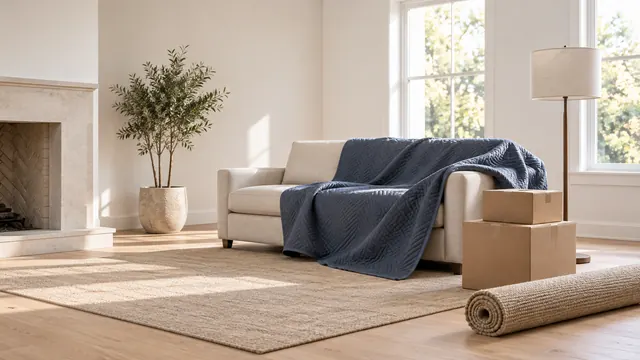
A streamlined sofa in a light neutral, a simple coffee table, a flat-weave or low-pile rug, a floor lamp and one large piece of abstract art. Minimal decor. There's a reason it's the default: it suits most homes built from the 1970s onwards and doesn't require the buyer to have any particular taste. If you can't decide, go with Modern.
It's less effective in homes with strong period features, where it can look as though the furniture was dropped in from a different property. Which, to be fair, it was.
Scandinavian
Pale timber and pale upholstery in white or light grey, simple shapes, the occasional sheepskin or chunky knitted throw, and plants. Lighter and a little warmer than Modern. It works well in small rooms, units and apartments, and in rooms with limited natural light, because the pale palette stops the room from feeling dim.
Modern Farmhouse
Slipcovered or linen sofas, rustic timber tables, black metal accents, woven baskets and sometimes a shiplap-inspired look. It suits newly built homes in suburban and semi-rural areas, especially those with board-and-batten exteriors, black window frames or a large kitchen island. In a city apartment, it looks out of place.
Luxury Contemporary
Bigger pieces, richer materials: velvet, marble, brass or chrome, statement lighting and sculptural chairs. This is for high-end homes with large, open rooms and high ceilings. Use it in a modest home and the staging promises something the rest of the gallery won't deliver. Buyers notice that mismatch, and it doesn't help you.
Traditional
Rolled-arm sofas, wingback chairs, dark timber, patterned rugs, table lamps and framed art. It suits colonial, Georgian and Tudor homes, as well as older homes with formal living and dining rooms, crown mouldings or wainscoting. In a new-build home with an open-plan layout, it can look dated.
Mid-Century
Tapered legs, walnut tones, low profiles and a touch of mustard or teal. The obvious fit is a ranch, split-level or post-and-beam home from the 1950s or 1960s, where it complements the architecture and the buyers who seek out those homes. It also works in some contemporary units. It makes a stronger statement than Modern, so use it when the home has earned it.
Coastal
White and sand tones, light blue accents, natural fibres, weathered timber and linen. It belongs near the water: beach towns, lakeside homes and holiday markets. Inland, it can feel like a theme. If the home doesn't have a water view or an obvious resort feel, Scandinavian gives you the same lightness without the theme.
Japandi
A blend of Japanese and Scandinavian design: low furniture, natural timber, muted earth tones, very little decor and plenty of open floor space. It suits minimalist, newer homes and apartments with clean finishes, and it makes small rooms feel calm. In a home with busy finishes, it can look so bare it seems unfinished, so check the result before using it.
Room types
Real Estate Camera stages living rooms, bedrooms, kitchens, dining rooms, bathrooms, home offices, kids' rooms and outdoor areas or patios. For an empty home, I usually stage the living room, main bedroom and dining room, leaving the rest empty. These are the rooms where buyers most often struggle to judge the scale. Our guide to whether virtual staging helps sell a home looks at which rooms matter.
What the Modern style looks like
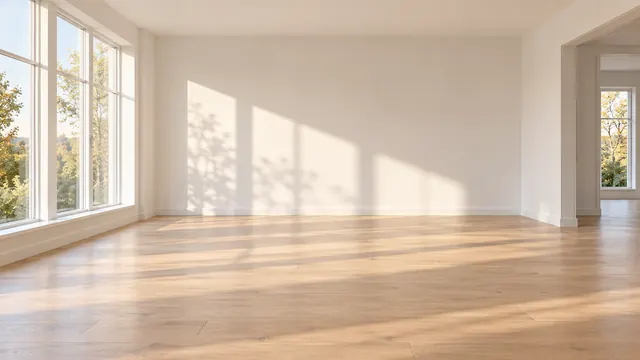
Here's a Modern result in a real room. It's an empty living room in an older house with a painted fireplace surround and a triple window facing the street.
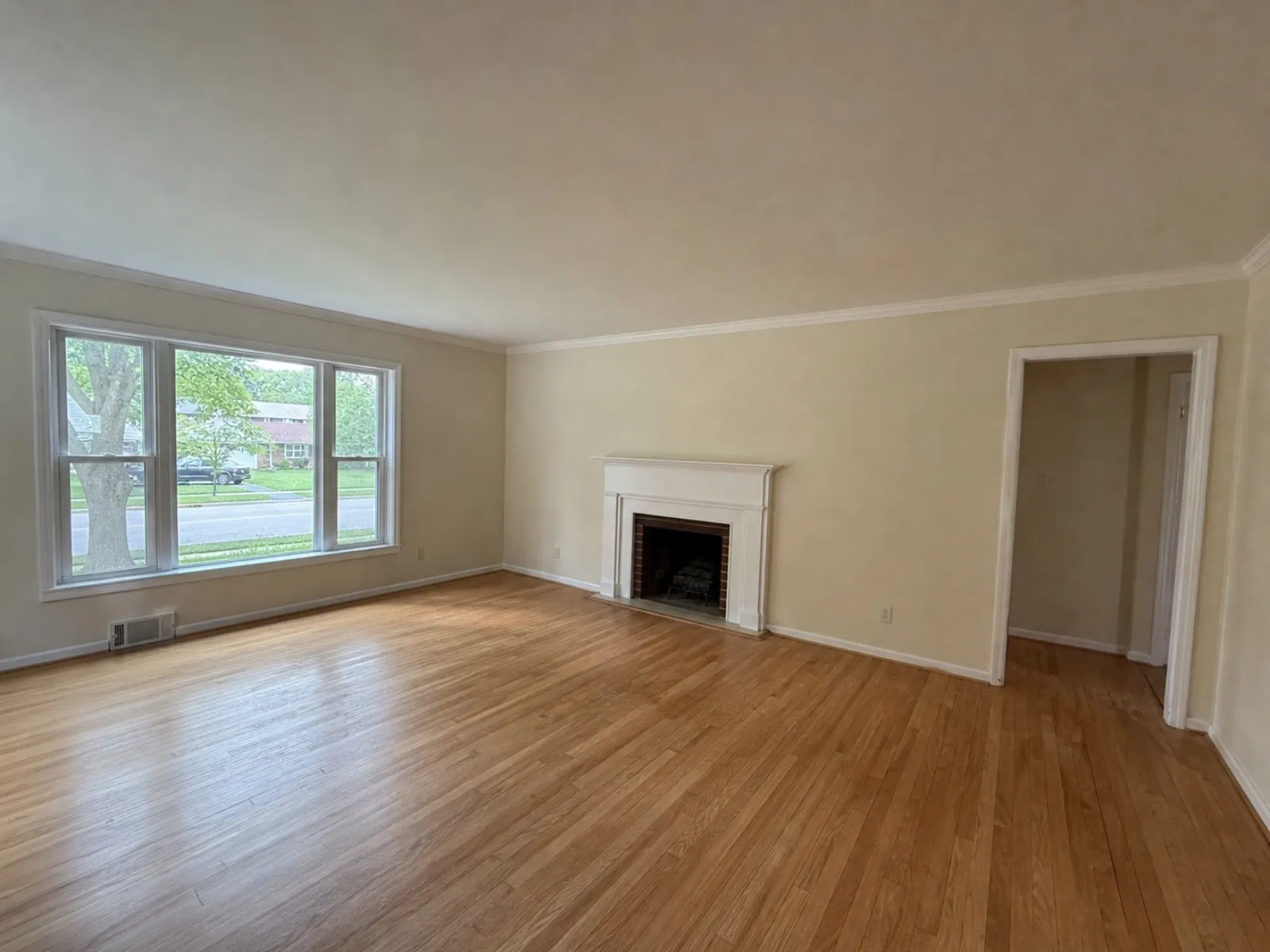
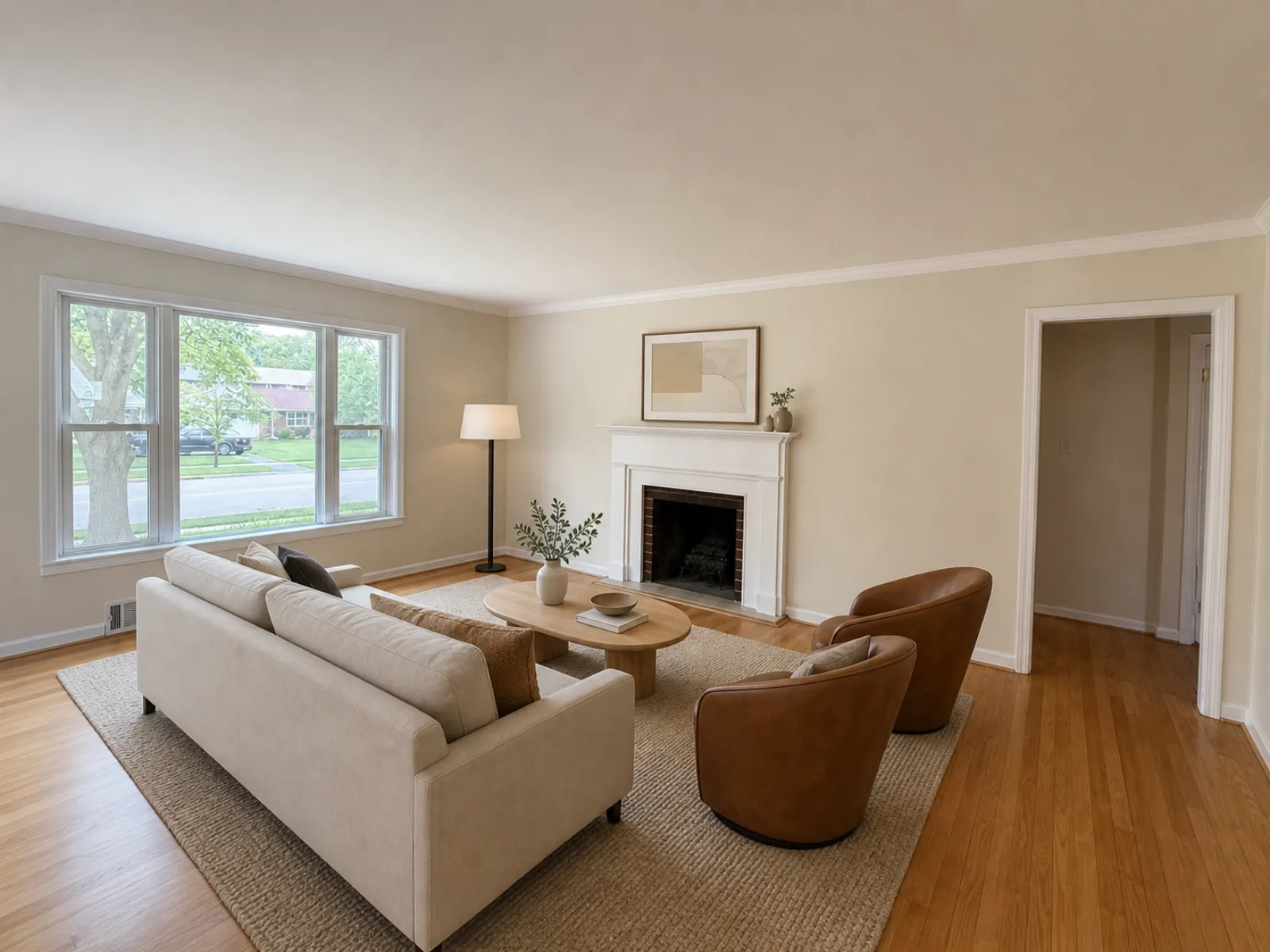
Notice what it leaves untouched. The doorway on the right stays clear, the fireplace and window retain their shape and position, and the sofa is about the size a real one would be in that room. Check these things on any virtually staged photo, whichever style you choose. If the window has moved or the fireplace's shape has changed, run it again. Staging adds furniture and decor. It shouldn't alter the room.
Staging costs 2 credits a photo and takes 20 to 60 seconds. If a result isn't right, the credits are returned automatically.
Match the era, loosely
Matching furniture to the age of the house is a sound instinct, but if you take it too literally, it can backfire. A 1920s bungalow doesn't need 1920s furniture; that would make it look like a museum. What it needs is furniture that doesn't clash with the woodwork and proportions. Traditional or Scandinavian both work well there. Mid-Century is the one style where closely matching the house's era really pays off, because buyers looking at those houses often want exactly that look.
New-build homes are straightforward. Modern, Scandinavian or Modern Farmhouse, depending on the finishes. Choose the one whose wood tones are closest to the flooring.
Use one style throughout the listing
This matters more than which style you choose. Buyers scroll through the gallery as if they're walking through a single home. A Modern living room, a Coastal bedroom and a Japandi dining room can make the property feel inconsistent and draw attention to the fact that the furniture isn't real.
Choose a style for the listing, write it down, and use it in every staged room. If you stage another batch later, such as the basement after the first round goes live, use the same style again.
Consistency matters in editing, too. Enhance the unstaged photos in the same listing so the colour is consistent from room to room. A staged living room with clean white tones next to an unstaged kitchen with a yellow cast looks out of place.
Disclosure
Regardless of the style, you need to disclose staged photos. Real Estate Camera flags staged images as "virtually staged" in the app, and the export process asks you to confirm that you'll disclose them. The label isn't printed on the image, so add it to the MLS caption or remarks, as required by your board. Many boards also require the original photo of the empty room to be posted alongside it. Our article on Virtual staging MLS rules explains what several boards require, while what virtual staging costs compares prices across services.
To see all eight styles in the app, head to AI virtual staging.
Try your empty room in both styles and go with the better result. Start free: 1 credit.
Questions
What is the safest virtual staging style?
Modern, in the straightforward sense: a neutral sofa, a simple timber or dark coffee table, a rug, a lamp and one piece of art. It suits most houses built in the last fifty years, and most buyers can picture their own furniture in its place.
Should virtual staging match the style of the home?
Generally, yes. The furniture shouldn't fight the architecture. A 1920s bungalow with its original mouldings looks odd filled with glossy contemporary pieces, and a new-build loft apartment looks odd with a skirted sofa and a display cabinet. Aim to match the era loosely rather than literally.
Can I use different staging styles in one listing?
Avoid it. Buyers scroll through the photo gallery as if it shows a single home, and a Coastal-style living room next to a Japandi bedroom makes it look like two. Choose one style and use it in every staged room.
Which virtual staging style is best for luxury homes?
Luxury Contemporary suits newer high-end homes with large open rooms, while Traditional suits high-end homes with formal rooms, panelling or classic millwork. Match the finishes already in the home.
Do I have to disclose virtual staging?
In most places, yes, and many MLS boards have written rules about how to disclose it. Real Estate Camera flags staged photos as virtually staged in the app and asks you to confirm the disclosure when you export them, but the label is not printed on the image, so add it to the MLS caption or remarks.