 Real Estate Camera
A good property photo editing app corrects the lighting, colour and leaning walls in every shot, empties furnished rooms and adds Virtual staging to empty ones, all on the phone you used to take the photos. It should do this without changing the property itself. Real Estate Camera is built to do exactly that: Enhance costs 1 credit per photo, and Declutter and Virtual staging cost 2 each. Each edit takes 20 to 60 seconds, so you can finish editing the listing before you lock up.
Below, I explain what I expect from any AI photo editor for estate agents and where I draw the line on honest edits. I then walk you through the editing of a full listing in our app, room by room. As this is our product, I also cover what it cannot do.
What a listing photo app should do
Most listing photos do not need a designer. They need a few standard corrections, applied consistently.
- Fix exposure and colour. Interior photos taken on a phone can look yellow under warm bulbs or grey on a cloudy day. White cabinets should look white.
- Straighten verticals. Holding a phone slightly too high or too low makes walls appear to lean. Buyers sense it even if they cannot explain why.
- Bring back the window detail. If you expose for the room, the window is blown out to a white rectangle. A good edit shows what is actually outside.
- Remove the furniture from a furnished room when the seller's furniture is dated or the room feels cluttered, without leaving marks on the floor where the sofa stood.
- Stage an empty room in a style that suits the property so buyers can get a sense of its size.
- Work where you are. If you take photos on a phone, the edits should be done on that phone, not on a laptop at 11pm.
Where to draw the line on honest edits
An editing app can improve a photo or make a property look entirely different. Only the first is part of your job.
California set that boundary in law. AB 723 excludes edits involving only "lighting, sharpening, white balance, colour correction, angle, straightening, cropping, exposure, or other common photo editing adjustments", provided they do not alter how the property is represented. Adding, removing or changing furniture, flooring, paint colour, landscaping or the view through a window is an alteration and requires a disclosure. Most MLS rules follow the same principle.
That is why Real Estate Camera's Enhance is designed this way:
- It keeps the sky exactly as shot. A grey day stays grey. It never turns a grey sky blue.
- It never changes the architecture or landscaping. No greener lawn, no repaired cladding.
- It does not convert images to a twilight look. This is a deliberate choice, and it means you cannot get a dusk hero shot from us.
Declutter and Virtual staging do change what is in the room, so results from either need a label. There is more on this in step five.
Walkthrough: one listing, from start to finish, on a mobile
Here's a typical three-bedroom home. Some rooms still have the seller's furniture, some are empty, and it's overcast outside.
Step 1: Shoot it well
Editing fixes a lot, but it can't fix a shot of a room from the doorway. Turn on every light, open the blinds, hold the phone at light-switch height and keep it level. Shoot horizontally from the corners. The iPhone guide explains the settings, and the shot list tells you which rooms to photograph.
Real Estate Camera has its own camera app for iPhone, iPad and Android. If a photographer took the listing photos, or you used another device, upload on the web instead. It's one account and one credit balance either way.
Step 2: Enhance every shot
Run Enhance on every photo in the gallery, at 1 credit each. It fixes lighting and white balance, straightens verticals and recovers the view through windows.
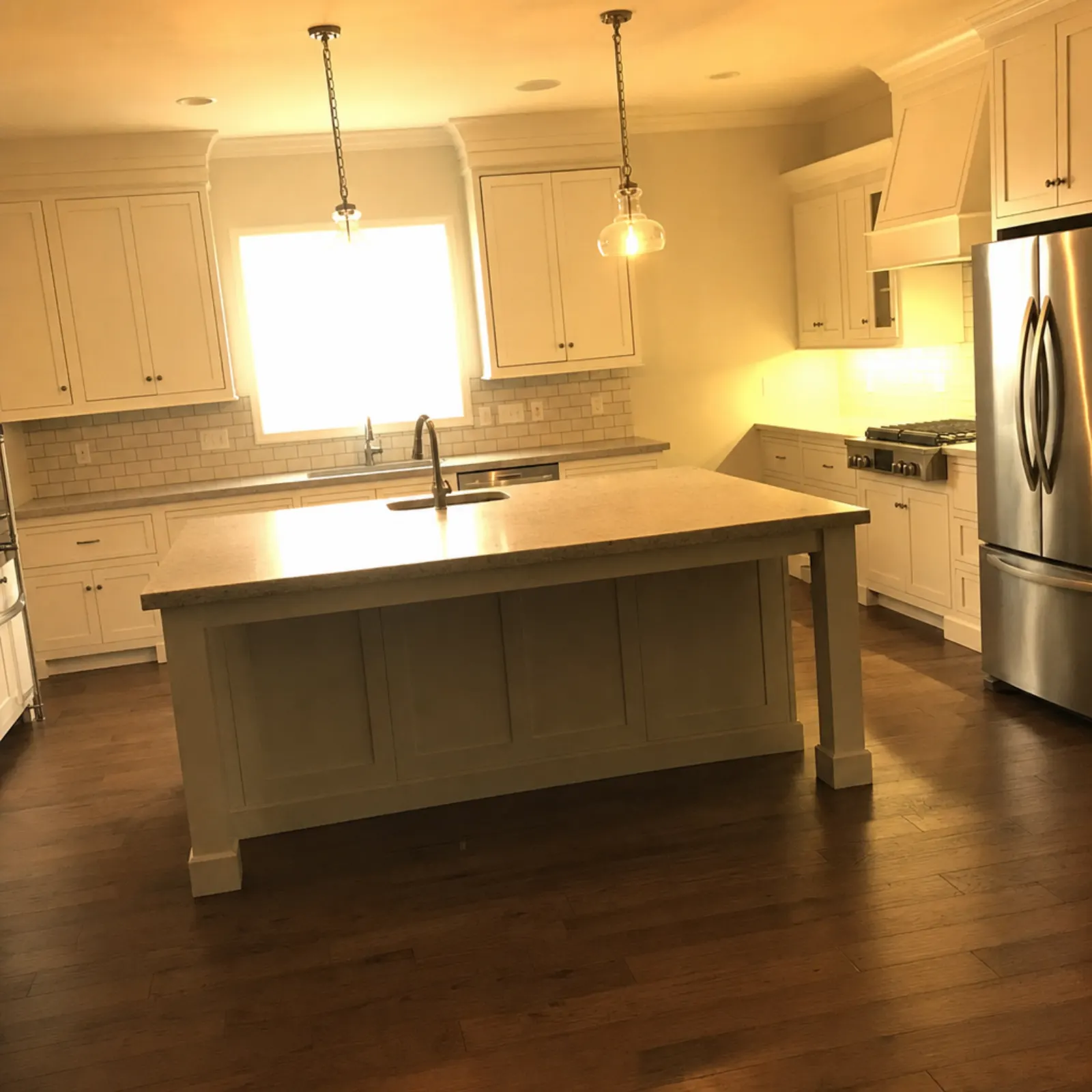
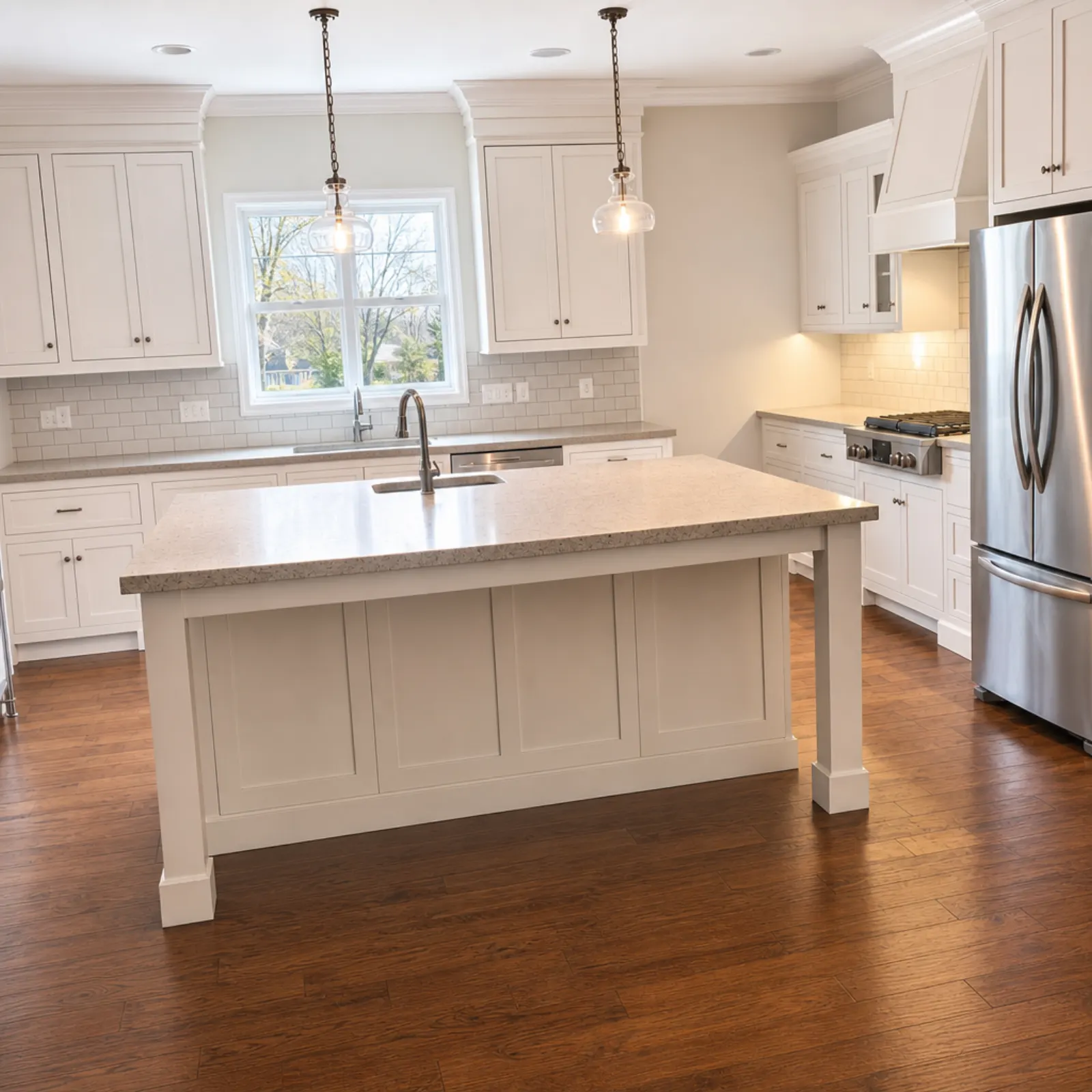
Check that window against what's actually outside. When the original is solid white, the software has very little to work from. Enhance is instructed to recover the actual view and never substitute a different one, but you know what should be there, and this isn't it. If the trees and the house next door are right, you're done. If they're not, don't use that version. California's law names "views through windows" as an alteration.
Exteriors get the same treatment. On a grey day, you get a straighter-looking house and cleaner cladding under the same grey sky. For more on the specific problem of dark rooms, see fixing dark real estate photos.
Step 3: Declutter the furnished rooms
For rooms where the seller's furniture detracts from the photo, run Declutter, at 2 credits. It removes furniture and decorations, then rebuilds the floor and walls behind them.
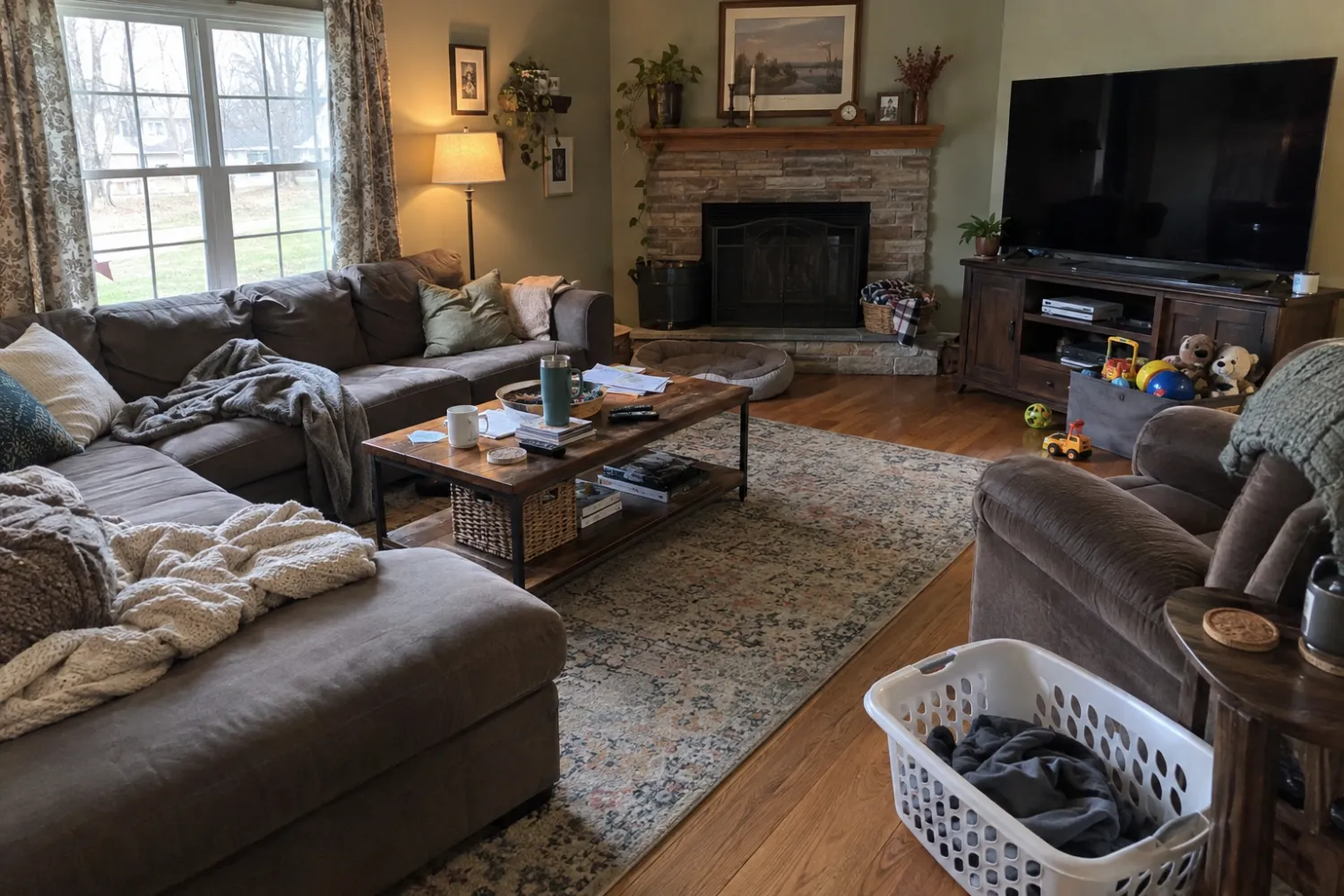
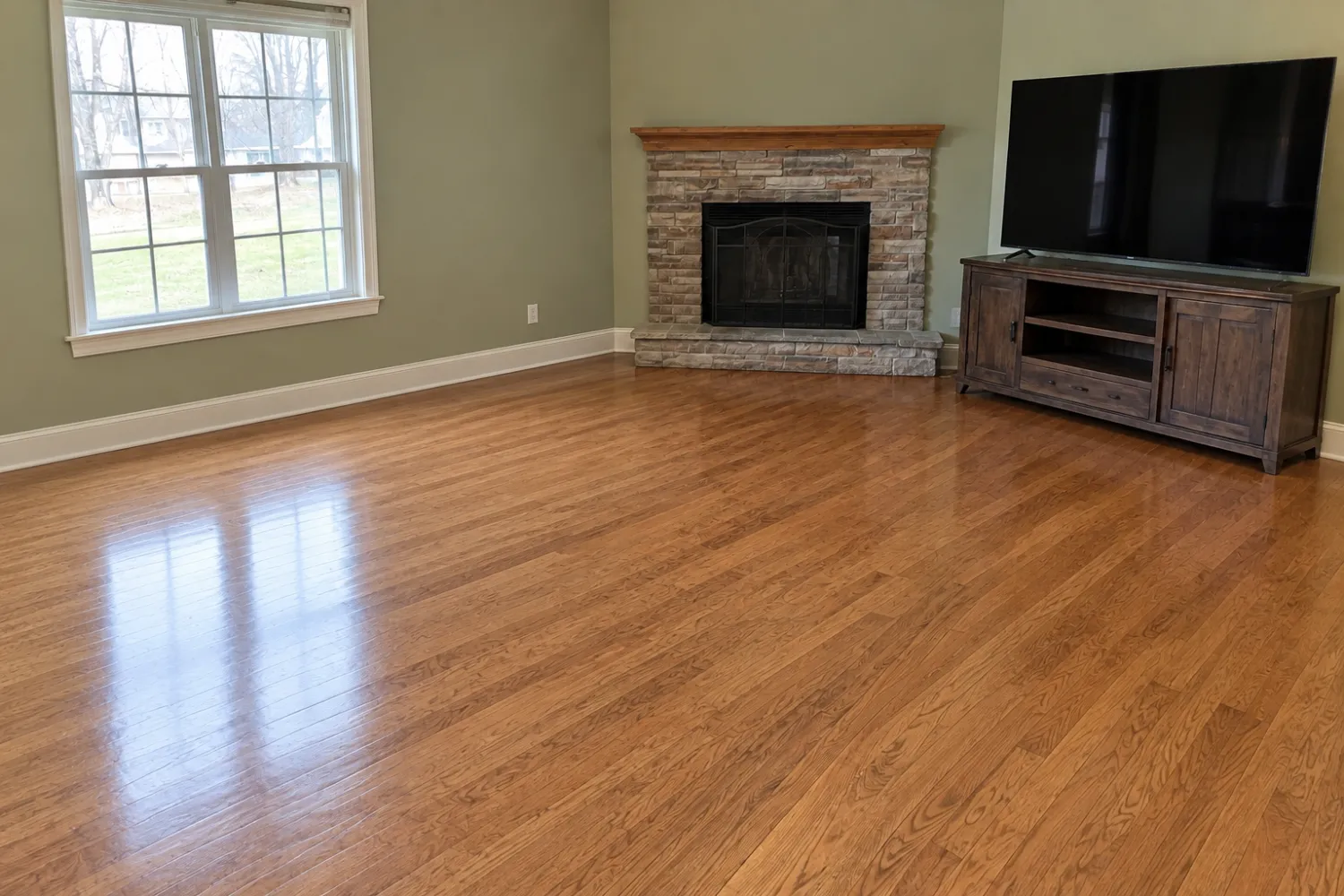
Look at what it kept as well as what it removed. Here, the TV unit survived. In another room it might be a floor lamp. There's no manual mask, so if the result isn't what you want, run it again or keep the original.
Showing an emptied room counts as a digitally altered photo in California and on most listing boards that address it. You can add Virtual staging as well or use the empty version, but either way it needs a label. For more, see removing furniture from photos.
Step 4: Stage the empty rooms
For the rooms that are empty, whether they started that way or you just decluttered them, run Virtual staging, at 2 credits. Pick the room type: living room, bedroom, kitchen, dining room, bathroom, home office, children's room or outdoor/patio. Then pick a style: Modern, Scandinavian, Modern Farmhouse, Luxury Contemporary, Traditional, Mid-Century, Coastal or Japandi.
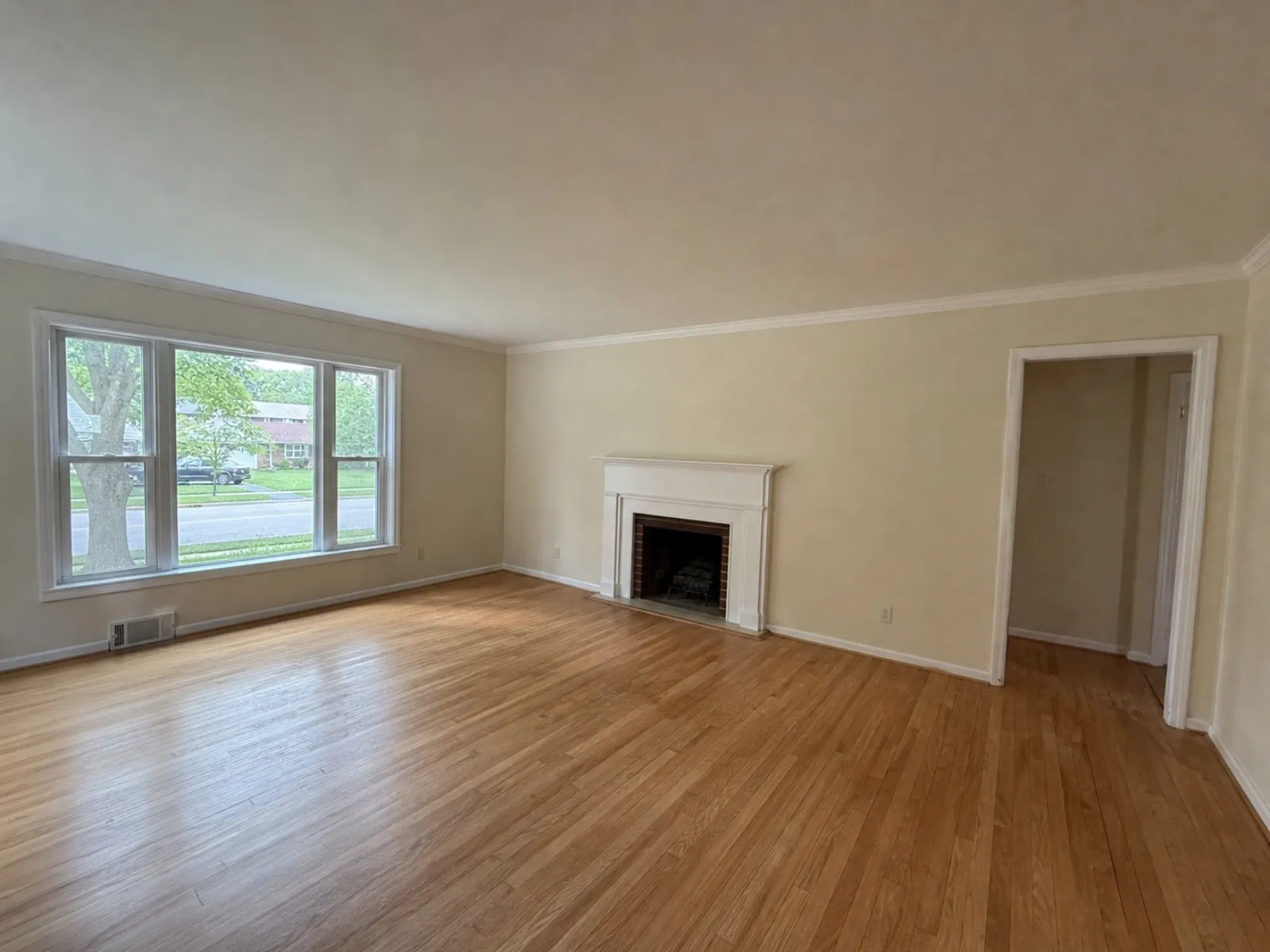
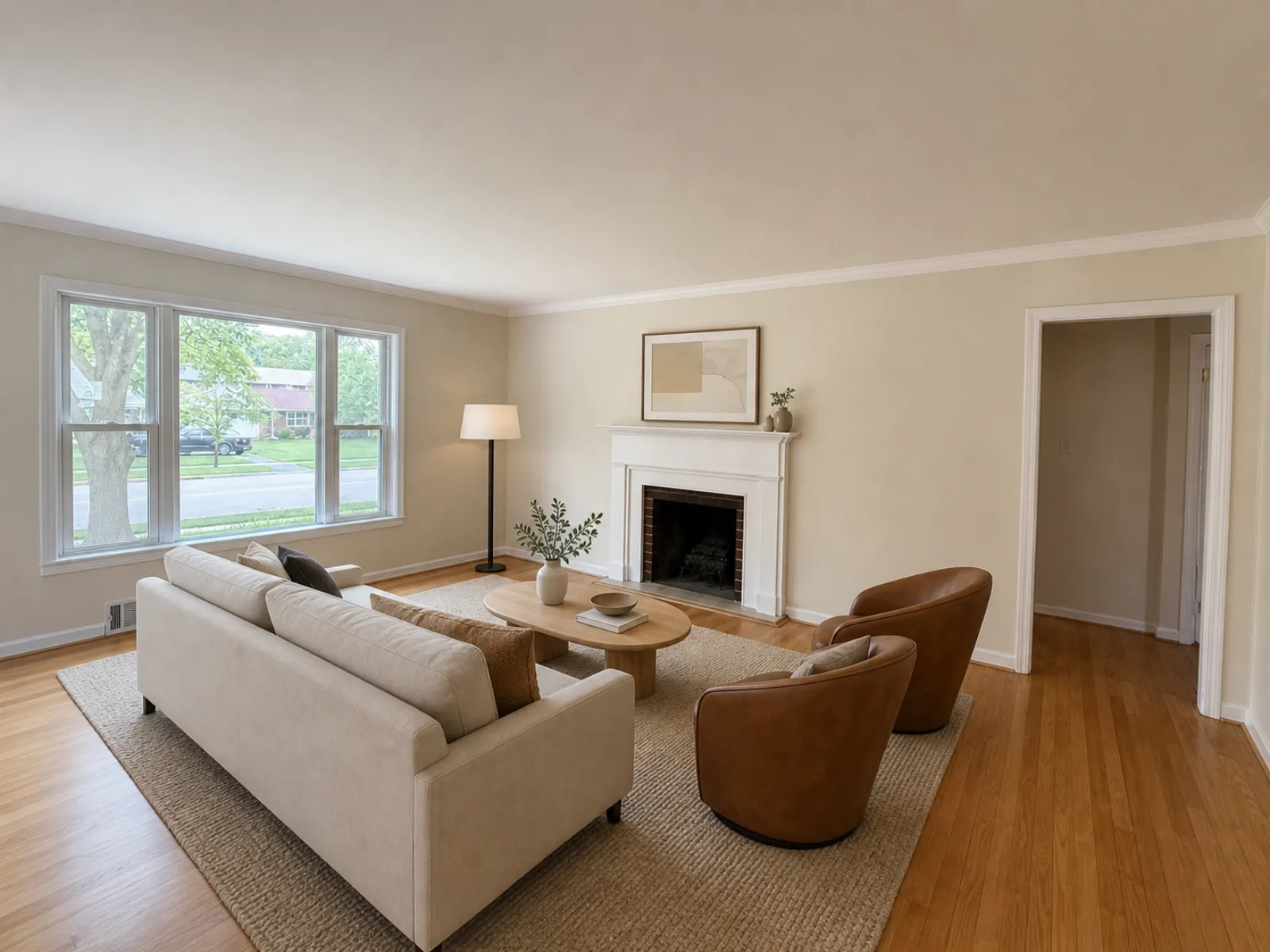
I wouldn't stage every empty room. Staging helps most in the living room, the main bedroom and any room whose purpose isn't obvious, such as an extra room or a small office. Bathrooms and hallways usually don't need it.
There are eight styles and no drag-and-drop. You can't move the sofa or swap one chair. If the layout isn't right, run it again, and that costs another 2 credits. If you need manual placement, the best virtual staging apps guide covers tools that offer it.
Step 5: Check, label, export
Before anything goes on the MLS, compare each edited photo with its original and check the permanent features: windows, doors, fireplace, the floor line and the ceiling. AI staging can occasionally move a window or reshape a mantel. If it did, rerun it.
Staged results are flagged "virtually staged" in the app, and you'll be asked to confirm the disclosure when you export. The label is not printed on the image. If a board wants the disclosure on the photo itself, add it using your MLS photo tool or another editor. Upload the unaltered original alongside each staged or decluttered photo where your board requires it. The MLS rules guide takes you through each board's requirements, and agents in California should read the AB 723 checklist.
What that listing cost
| Step | Photos | Credits |
|---|---|---|
| Enhance | 25 | 25 |
| Declutter | 3 | 6 |
| Virtual staging | 4 | 8 |
| Total | 39 |
Packs are 20 credits for $9.99, 60 for $24.99 and 150 for $49.99. This listing fits within the 60-credit pack, leaving 21 credits for the next one. Credits never expire, failed edits are refunded automatically, and the first credit is free. For comparison with other tools and human services, see how much virtual staging costs, the BoxBrownie alternative guide and the Virtual Staging AI alternative guide.
What it won't do
- No sky replacement or twilight. A grey day stays grey.
- Eight staging styles, but no manual furniture placement.
- No human editor to take notes or fix a render for you.
- No label printed on the image.
If you need any of those, a human service like BoxBrownie is the better choice for that photo. For everything else, you can get the app on the App Store or Google Play, or sign in on the web.
For more on Enhance, see AI real estate photo editing.
Edit one listing start to finish on your phone. Start free: 1 credit.
Questions
What is the best photo editing app for estate agents?
One that corrects the lighting, colour and leaning walls in every shot, can empty a furnished room and add Virtual staging to an empty one, and runs on the phone you used to take the photos. It should also leave the property itself untouched. Real Estate Camera does all of this on iPhone, iPad and Android, delivering each edit in 20 to 60 seconds.
Can AI edit property photos without making them misleading?
Yes, provided the edits are corrections. Adjusting exposure, white balance and verticals changes how the photo looks, not the property itself. Replacing the sky, repainting walls or replacing the lawn alters the property, and adding or removing furniture requires a label.
How much does it cost to edit a listing in Real Estate Camera?
Enhance costs 1 credit per photo, and Declutter and Virtual staging cost 2 each. A 25-photo listing with three rooms emptied and four virtually staged uses 39 credits, which is covered by the 60-credit pack at $24.99. The first credit is free, and credits never expire.
Does the app add a virtually staged label to the photo?
It flags staged results as virtually staged in the app and asks you to confirm the disclosure when you export. It does not print the label on the image, so if the board requires it on the photo, add it yourself.